Info
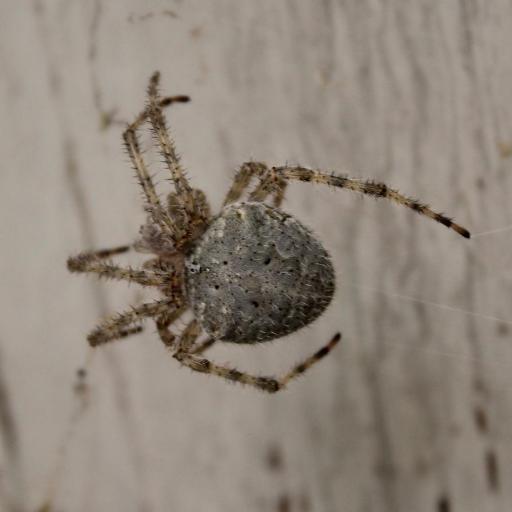
Best known as the inspiration for the wise and kind character in E.B. White’s classic Charlotte’s Web, the Barn Spider is a quintessential architect of the night. These large, orb-weaving spiders are common sights near human habitations, where they spin intricate, circular webs to catch flying pests. Though they might look intimidating due to their size and "hairy" appearance, they are gentle giants that prefer to stay tucked away in shadows during the day.
🔍 How to Identify
- 🕸️ The Web: They spin large, classic "orb" webs (circular) that can reach up to two feet in diameter. Interestingly, they often tear down and eat their own web every night to recycle the silk proteins before building a fresh one.
- 🕷️ Body Texture: Their bodies are a mottled brown or grey color, covered in fine, bristly hairs that give them a slightly "spiky" look.
- 🌙 The Underside: If you see one hanging in its web, look for two white, wavy spots on the underside of its abdomen, which is a key identifying mark for this species.
🌲 Habitat & Ecology
- 🏚️ Man-Made Structures: True to their name, they love barns, porch eaves, window frames, and outbuildings. They prefer wooden structures where they can easily anchor their silk lines.
- 🦟 Pest Control: These spiders are elite predators of flies, mosquitoes, and moths. By setting up camp near outdoor lights—which attract their prey—they provide a free and natural pest control service for your home.
⚠️ Safety & Toxicity
- ✅ Low Risk: While they do possess venom to submerge their prey, the Barn Spider is extremely reluctant to bite humans. They typically flee or "play dead" when disturbed.
- 🐝 The Bite: If someone were to handle one roughly enough to provoke a bite, the sensation is often compared to a mild bee sting—localized swelling and itching that fades quickly. They are not considered medically significant to humans or pets.
✨ Fun Fact
The author E.B. White was so fascinated by a real Araneus cavaticus living in his barn that he kept her egg sac in a candy box to watch the spiderlings hatch, an experience that eventually led to the creation of Charlotte A. Cavatica!
More Details








