Info
The Common Rustgill is a tiny firecracker of the autumn forest floor, known for its vibrant, rust-colored spores and glowing golden hues. Often found huddled on decaying logs, this mushroom gets its name from the Latin penetrans, referring to the way its mycelium seems to "penetrate" deeply into the wood it colonizes. While it lacks the fame of some forest giants, its brilliant orange presence brings life to the dark, damp corners of coniferous woods.
🔍 How to Identify
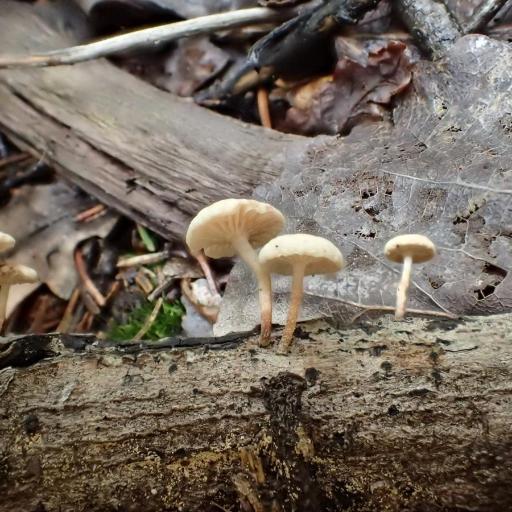
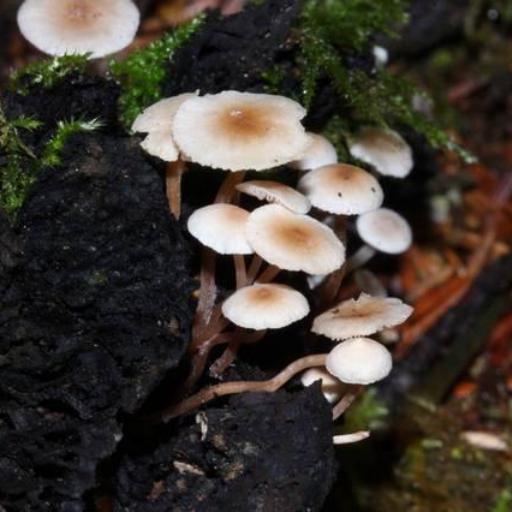
- 🍄 The Cap: Usually 2 to 6 cm wide, the cap starts convex and flattens with age. It sports a dry, smooth texture in shades of golden-yellow to a warm, tawny orange.
- 🍂 The Gills: The gills are crowded and initially a bright, pale yellow. As the mushroom matures, they develop characteristic rusty-brown spots, eventually turning entirely rust-colored as spores develop.
- 🪵 The Stem: The stem is fibrous, relatively thin, and pale yellow, often becoming brownish toward the base. Unlike some of its cousins, it typically lacks a persistent ring (annulus).
🌲 Habitat & Ecology
- 🌲 Woodland Recycler: This fungus is a "saprobe," acting as nature’s clean-up crew. It feeds primarily on dead coniferous wood, such as fallen pine branches, spruce stumps, or thick layers of acidic needle litter.
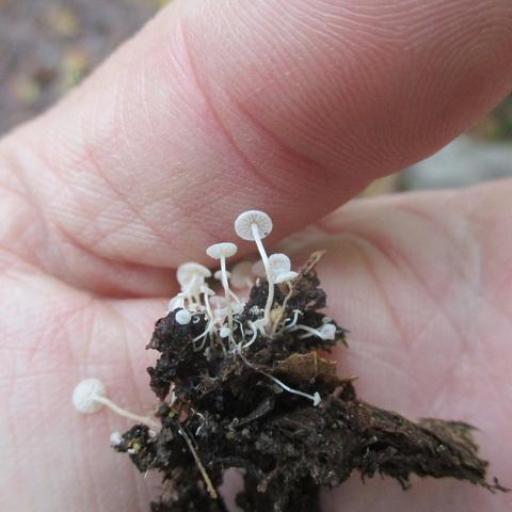
- 🍄 Social Growth: You will rarely find a solitary Rustgill. They prefer to grow in small, scattered groups or "troops," creating a bright orange carpet over rotting logs during the late summer and autumn.
⚠️ Safety & Toxicity
- 🚫 WARNING: The Common Rustgill is considered inedible and potentially toxic. It should never be consumed.
- 👅 Bitter Defense: This mushroom contains compounds that give it an incredibly bitter, acrid taste. This is the fungus's natural way of telling foragers to stay away.
- 🐕 Pet Safety: Due to its potential toxicity, keep curious dogs and children away from these mushrooms in the yard or on trails, as ingestion can lead to severe gastrointestinal upset.
✨ Fun Fact
The "Rust" in its name is no exaggeration! If you place the cap of a Common Rustgill on a piece of white paper overnight, it will leave behind a "spore print" in a startlingly vivid, rusty-orange shade that looks exactly like metallic oxidation.
More Details