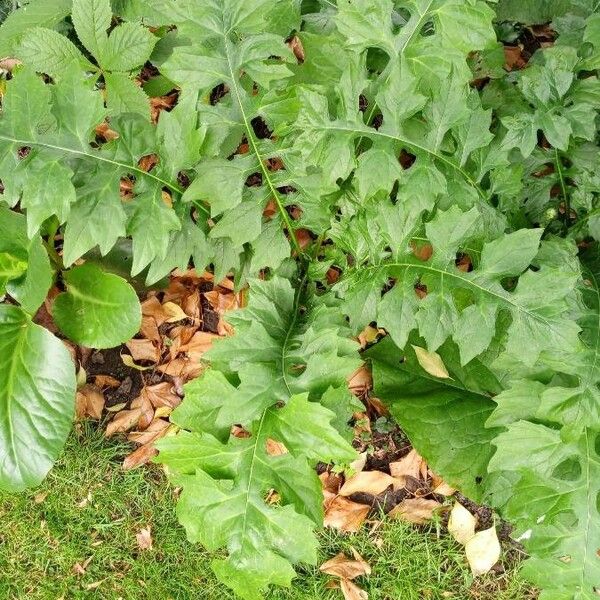
Plant Overview
Often called the "Architect’s Plant," Acanthus hungaricus is a living piece of history. Famous for its deeply sculpted, glossy leaves that inspired the ornate carvings on ancient Greek Corinthian columns, this plant brings a dramatic, classical elegance to modern gardens. It is known for its architectural silhouette and its ability to thrive where other plants might struggle with heat or poor soil.
🔍 How to Identify
- 🌿 The Foliage: Unlike its cousin Acanthus mollis, the Hungarian variety has much deeper, more intricate lobes. The leaves are dark green, slightly glossy, and can grow up to 2 feet long, forming a lush, fountain-like mound.
- 🍦 The Flower Spikes: In mid-summer, it sends up tall, sturdy stalks reaching 3 to 4 feet. These are covered in unique bicolor blossoms: white or pale pink tubular flowers tucked under stiff, purplish-green "hoods" (bracts).
- 🏰 Growth Habit: It is a clump-forming perennial that looks remarkably sturdy and permanent, often appearing more like a small shrub than a herbaceous plant.
🏡 In Your Garden
- ⚓ The Deep Taproot: This plant is famous for its "commitment issues"—once you plant it, it’s there to stay. It develops a very deep, thick taproot that makes it incredibly drought-tolerant once established, but almost impossible to move without a piece of the root regrowing.
- ☀️ Sun & Space: While it loves the sun, in hotter climates, it appreciates a little afternoon shade to keep its leaves from wilting. Give it plenty of room; its architectural spread is wide, and it doesn't like being crowded by smaller, "fussier" neighbors.
⚠️ Safety & Toxicity
- ✅ Status: Generally considered non-toxic to humans and common household pets like cats and dogs.
- 🌵 Physical Warning: While not poisonous, the flower spikes feature very sharp, prickly bracts. Wear sturdy gloves when deadheading (removing old flowers) to avoid painful pricks or skin irritation from the sharp spines.
✨ Fun Fact
The Acanthus leaf is one of the oldest decorative motifs in Western art. Beyond Greek columns, you can find the likeness of these specific leaves on everything from medieval manuscripts and Renaissance furniture to the borders of William Morris wallpapers.

Detailed Care Instructions
To grow Acanthus hungaricus plant, you can follow these steps:
- Choose a suitable location: Acanthus hungaricus prefers full sun to partial shade. It can be grown in both containers and in the ground, so choose a well-draining area with fertile soil.
- Prepare the soil: Before planting, prepare the soil by loosening it to a depth of 12-16 inches. Remove any weeds or rocks and add organic matter like compost to improve the soil quality.
- Planting: Dig a hole twice the size of the root ball of your plant. Place the plant in the hole and backfill it with the soil. Firm the soil gently around the base of the plant to ensure good contact.
- Watering: Water the newly planted Acanthus hungaricus thoroughly and keep the soil moist but not overly saturated. Once established, it is moderately drought-tolerant but still requires regular watering.
- Mulching: Apply a layer of organic mulch around the plant to help retain moisture, suppress weeds, and regulate soil temperature.
- Fertilizing: Acanthus hungaricus does not require heavy fertilization but can benefit from an annual application of a balanced, slow-release fertilizer in early spring.
- Pruning: Remove any dead or damaged leaves or stems regularly to maintain the plant's appearance. In late winter or early spring, cut back the old flower stalks to encourage new growth.
- Support: Acanthus hungaricus can grow tall and benefit from stakes or support as the leaves can become heavy and topple over.
- Propagation: Acanthus hungaricus can be propagated from seeds, root division, or cuttings. Seeds can be sown indoors in early spring or directly in the garden in late spring. Root division should be done in early spring or fall when the plant is dormant.
- Pests and diseases: Monitor the plant for common garden pests like aphids, snails, or slugs. Treat any infestations promptly. Acanthus hungaricus is generally disease-resistant.
By providing the proper care and growing conditions, Acanthus hungaricus can thrive and add beauty to your garden with its unique foliage and attractive flower spikes.

Place in a bright room that is sun drenched almost all day. Or directly in a south-facing window.

Acanthus Hungaricus plant can be watered by placing the pot or container in a shallow tray of water and allowing the water to soak up from the bottom. Alternatively, the soil should be thoroughly watered until the excess water drains out of the pot. The plant should be watered when the soil feels dry to the touch. It's important not to overwater the plant as this can lead to root rot. The frequency of watering will depend on the specific growing conditions, such as temperature and humidity. It's best to observe the plant and adjust the watering schedule accordingly.
To properly fertilize this plant, you will want to use a balanced fertilizer with equal parts nitrogen, phosphorus, and potassium. You should aim to fertilize the plant during the growing season, typically from spring through early fall, every four to six weeks. Be sure to water the plant well before applying the fertilizer, and then follow the manufacturer's instructions for application rates and methods. Avoid over-fertilizing, as this can lead to a buildup of salts in the soil and burn the plant's roots. Regularly monitor the plant for signs of nutrient deficiency or excess, such as yellowing leaves, stunted growth, or burned tips, and adjust your fertilization regimen as needed.
The ideal soil for the Acanthus hungaricus plant is well-draining soil that is rich in organic matter. The soil should have a pH of 6.0-7.5 and should be kept moist but not waterlogged. This plant prefers fertile soils and will benefit from the addition of compost or aged manure. It can also tolerate slightly alkaline soils. The soil should be maintained with consistent moisture levels and should be kept mulched to conserve moisture and suppress weeds. The Acanthus hungaricus plant can grow in various soil types, but it performs best in loamy, well-draining soil. It is also important to ensure that the soil has good drainage, as this plant does not do well in wet or boggy conditions.
To propagate this plant, select a healthy stem and cut it at a 45-degree angle just below a node. Remove the bottom leaves, leaving only 2-3 leaves at the top of the stem. Dip the cut end of the stem in rooting hormone powder and plant it in a pot filled with moist potting soil. Place the pot in a bright, warm location, but avoid direct sunlight. Water the plant when the soil is dry to the touch. In about 4-6 weeks, roots will start to form, and you can transplant the young plant into a larger pot or directly into a garden bed. Keep the soil moist until the plant is established.








