Plant Overview
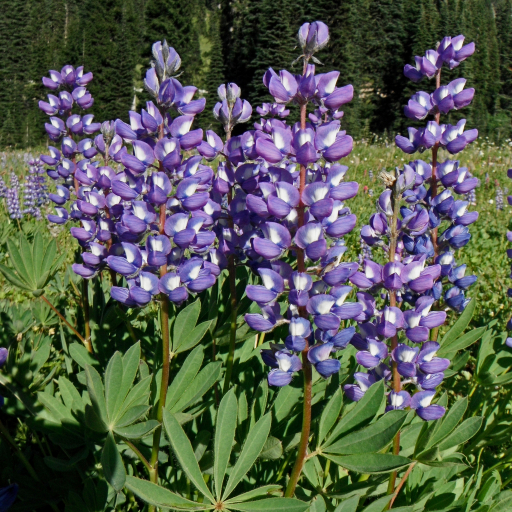
Known as the sentinel of the North, the Arctic Lupine blankets the tundra and subarctic meadows in a sea of violet-blue every summer. It is a symbol of resilience, often being the first to reclaim land after a wildfire or a harsh, scouring winter. This hardy perennial isn't just a beauty; it's a vital "pioneer species" that helps prepare the ground for other life to follow.
🔍 How to Identify
- 🌿 Palmate Leaves: The foliage is unmistakable, featuring 6 to 10 leaflets that radiate from a central point like the fingers of a hand, often sporting a silvery, hairy underside.
- 🪻 Spiked Blooms: It produces tall, upright clusters (racemes) of pea-like flowers, typically ranging from a deep indigo to a soft violet-blue.
- 🧥 Fuzzy Stems: To survive the biting northern winds, the stems are covered in fine, downy hairs that help trap heat and reduce moisture loss.
🏡 In Your Garden
- 🏔️ Mountain Mimicry: If you’re lucky enough to grow this in a cool climate, remember that it craves "lean" soil. Because it hosts nitrogen-fixing bacteria in its roots, adding heavy fertilizer will actually make the plant leggy and prevent those iconic flowers from blooming.
- ❄️ The Deep Sleep: This plant is a true winter-warrior. It requires a significant period of cold (vernalization) to trigger its growth cycle, meaning it will struggle in warm, tropical, or Mediterranean climates that don't experience a hard freeze.
⚠️ Safety & Toxicity
- 🚫 Status: Toxic if ingested.
- 🐾 Alkaloid Warning: All parts of the Arctic Lupine, especially the seeds and pods, contain quinolizidine alkaloids. If eaten by pets, livestock, or humans, it can cause "Lupinosis," characterized by respiratory distress, tremors, and digestive upset. Always wear gloves if you have sensitive skin, as the sap can occasionally cause mild irritation.
✨ Fun Fact
In the 1960s, seeds of the Arctic Lupine were discovered in ancient, frozen lemming burrows in the Yukon. While early reports claimed they were 10,000 years old and still sprouted, modern carbon dating suggests they were actually a few centuries old—still an incredible testament to the seed's ability to survive in a "frozen time capsule."

Detailed Care Instructions
To successfully grow Lupinus Arcticus, also known as Arctic lupine, follow these steps:
- Determine the best planting time: Lupinus Arcticus is a perennial plant that thrives in cool climates. It is recommended to sow the seeds in the early spring or late summer to allow for the necessary cold stratification period.
- Prepare the soil: Select a well-drained location with full sun to partial shade. Lupinus Arcticus prefers slightly acidic soil with a pH range of 5.5 to 7.5. Amend the soil with organic matter like compost or well-rotted manure to improve drainage and nutrient content.
- Start seed germination: Lupinus Arcticus seeds have a hard outer coating, which requires a process called scarification to help with germination. To scarify the seeds, either nick the seed coat with a file or gently rub them with sandpaper. Soak the seeds in room temperature water overnight before planting.
- Sow the seeds: Plant the scarified seeds directly into the prepared soil. Space the seeds about 12-18 inches apart and plant them at a depth of about 1/4 to 1/2 inch. Gently press down on the soil to ensure good seed-to-soil contact.
- Watering and maintenance: Keep the soil consistently moist during germination and seedling stage. After the plants are established, water them regularly but avoid overwatering, as Lupinus Arcticus prefers slightly dry conditions. Mulching around the plants can help retain moisture and suppress weeds.
- Fertilize: Apply a balanced slow-release fertilizer in spring before new growth starts. Follow the manufacturer's instructions for application rates. Additionally, you can top dress the soil with compost or well-rotted manure annually to provide additional nutrients.
- Prune and deadhead: Deadhead the faded flowers regularly to encourage prolonged blooming and prevent self-seeding. Pruning can also help maintain a compact and tidy appearance.
- Pests and diseases: Lupinus Arcticus is generally resistant to pests and diseases. However, keep an eye out for common issues like aphids or powdery mildew. If necessary, treat with organic insecticides or fungicides according to the instructions.
- Overwintering: In colder climates, where the ground freezes, provide a layer of mulch around the plants in late fall to protect them from extreme cold temperatures.
By following these steps, you can successfully grow and enjoy Lupinus Arcticus in your garden.

Place in a bright room that is sun drenched almost all day. Or directly in a south-facing window.

To water this plant, you will need to constantly monitor the soil moisture levels. It is important to keep the soil evenly moist but not waterlogged. One way to check the moisture levels is by inserting a finger or a moisture meter into the soil to make sure it is not too dry or too wet.
During hot and dry weather conditions, the plant may need to be watered more frequently to prevent the soil from drying out. However, during the winter months, it may require less watering.
When watering the plant, it is best to do so slowly and deeply, allowing the water to reach the root zone. Avoid watering the leaves or flowers of the plant as this can cause damage or disease.
It is important to use well-draining soil to prevent water accumulation around the roots. It is also recommended to use a layer of mulch to help retain moisture in the soil and prevent evaporation.
Overall, this plant requires consistent and careful monitoring of its watering needs to ensure it stays healthy and hydrated.
To fertilize this plant, apply a balanced, slow-release fertilizer with an N-P-K ratio of 10-10-10 or 20-20-20 in early spring when new growth appears. As the plant grows, use a nitrogen-rich fertilizer with an N-P-K ratio of 20-10-10 once every two to three weeks to encourage healthy foliage. Be sure to water the plant before and after fertilizing to prevent root burn. Avoid over-fertilizing, as this can cause excessive leaf growth at the expense of flowers.
The ideal soil for Lupinus Arcticus plant is a well-draining, nutrient-rich soil with a slightly acidic to neutral pH level. It should be composed of a mixture of organic matter, sand, and loam to provide good drainage, moisture retention, and aeration for the plant's roots. A soil pH between 5.5 to 7.0 is recommended. The plant prefers moist soils that are not waterlogged. The soil should also be free of any harmful contaminants, such as heavy metals and pollutants, as they can negatively affect the plant's growth and health. Additionally, it is important to avoid using soils that are excessively fertilized, as this can lead to excessive growth and poor overall health of the plant.
Lupinus arcticus is a perennial plant that belongs to the genus Lupinus. To propagate this plant, you will need to collect the seeds when they are mature. The seeds are usually ready in late summer or early fall.
To begin, select a healthy and mature Lupinus arcticus plant from which to collect seeds. Look for a plant that has several seed pods that are starting to turn brown and crack open.
Next, cut the seed pods off the plant using a pair of sharp, clean scissors. Place the seed pods in a paper bag and leave them somewhere dry and warm for a few days. As the seed pods dry out, they will open and release the seeds.
Once the seed pods have opened, remove the seeds from the bag and separate them from any debris or plant matter. You can do this by pouring the seeds into a bowl and gently blowing over the top to remove any unwanted debris.
Now it's time to plant the seeds. Lupinus arcticus likes to grow in full sun and well-draining soil. You can sow the seeds directly into the soil or start them in containers. If starting them in containers, fill the containers with a good quality potting mix, plant the seeds, and keep the soil moist.
The seeds will germinate in 10-14 days and will grow quickly. Once the seedlings have grown to a reasonable size, you can plant them in their final location in the garden.
It is essential to keep the soil moist while the plants are establishing themselves. Once established, Lupinus arcticus is a relatively easy plant to care for and will thrive for many years with minimal maintenance.








