Plant Overview
Coulter’s Sage is a resilient beauty native to the high-altitude deserts and limestone slopes of Northern Mexico. Named after the intrepid 19th-century Irish botanist Thomas Coulter, this perennial shrub is a master of survival in harsh, arid environments. It is beloved by "xeriscape" enthusiasts for its ability to produce delicate, sky-blue blossoms even when the sun is at its most punishing.
🔍 How to Identify
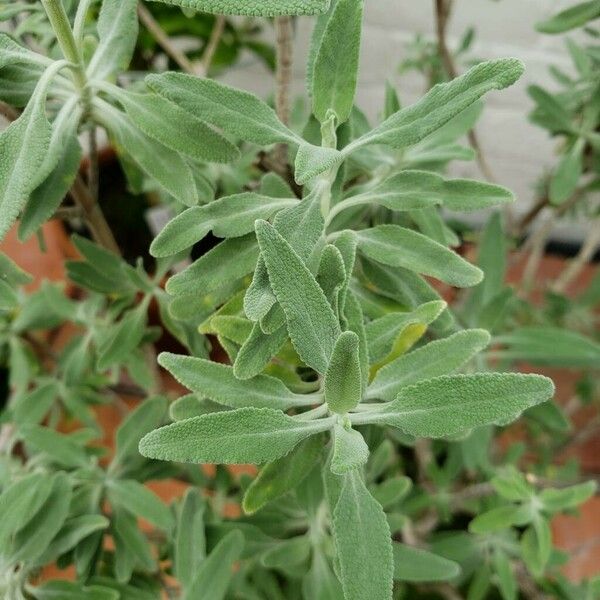
- 🍃 Foliage: The leaves are small, ovate, and dressed in a dusty grayish-green coat. They have a slightly wrinkled texture and are covered in fine hairs that help the plant retain moisture.
- 🪻 The Blooms: It produces slender, upright spikes of tubular flowers. The petals are typically a vibrant violet or pale blue, emerging from dark, almost charcoal-colored calyxes (the base of the flower).
- 🌿 Structure: It grows as a compact, woody-based subshrub, usually staying under two feet tall, giving it a tidy, mounded appearance in the wild.
🏡 In Your Garden
- ☀️ Desert Roots: Because it originates from rocky limestone regions, this plant "breathes" through its roots. It hates "wet feet" and will quickly fail in heavy, clay-rich soils. Always prioritize gritty, fast-draining soil.
- 🐝 Wildlife Hub: While it may look delicate, it is a powerhouse for local ecology. Its nectar-rich tubes are perfectly shaped for long-tongued bees and hummingbirds, making it a "must-have" for a pollinator-friendly backyard.
⚠️ Safety & Toxicity
- ✅ Non-Toxic: Salvia coulteri is generally considered safe and non-poisonous to humans.
- 🐾 Pet Safety: There are no known toxicities for dogs, cats, or horses. However, since it is not a culinary herb, it’s best to discourage pets from grazing on the foliage to avoid minor digestive upset.
✨ Fun Fact
The flowers of Coulter’s Sage possess a "trip-wire" mechanism. When a heavy bee lands on the flower's lower lip to reach the nectar, a hidden lever system inside the flower swings down and taps the bee on the back, perfectly depositing a packet of pollen to be carried to the next plant!

Detailed Care Instructions







