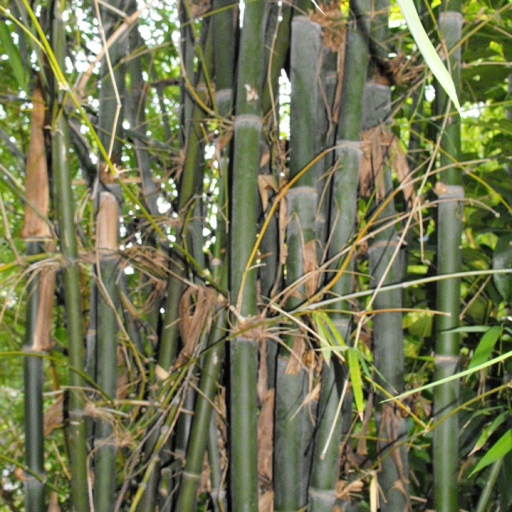
Plant Overview
Known as the "Tsuboi-zasa," this resilient dwarf bamboo brings a touch of ancient Japanese woodlands to any garden. Unlike its towering cousins, Sasa tsuboiana is a low-growing, shrub-like grass that excels at creating a lush, deep-green carpet in shaded areas where other plants struggle. It is often celebrated in Zen gardens for its minimalist elegance and year-round vibrancy.
🔍 How to Identify
- 🍃 Broad Leaves: It features surprisingly wide, lance-shaped leaves that grow much larger than you’d expect for such a short plant, often reaching 8 inches in length.
- 🎋 Slender Culms: The "canes" or stems are very thin, green, and hidden beneath the dense foliage, giving the plant a bushy, mounded appearance.
- 🍂 Persistent Sheaths: You will notice papery, straw-colored sheaths wrapped around the base of the stems, which protect the new growth as it emerges from the soil.
🏡 In Your Garden
- 🏃 The "Runner" Habit: This plant spreads via underground rhizomes. Because it is a vigorous spreader, it is best kept in large pots or contained by a sturdy root barrier to prevent it from "running" away and taking over your lawn.
- 🌑 Shade Specialist: This is one of the few bamboos that truly thrives in deep shade. It is an excellent choice for "brightening" dark corners under large trees where grass refuses to grow.
- ✂️ Winter Refresh: While evergreen, the leaves can look a bit tattered after a harsh winter. Gardeners often cut the entire plant back to the ground in early spring to encourage a fresh, lime-green flush of growth.
⚠️ Safety & Toxicity
- 🟢 Safe for Pets: Sasa tsuboiana is generally considered non-toxic to cats, dogs, and horses, making it a safe choice for a pet-friendly landscape.
- ✋ Physical Irritation: While not poisonous, the edges of the leaves can be quite sharp. Wear gloves when pruning to avoid tiny "paper cuts" from the silica-rich foliage.
✨ Fun Fact
🍱 The Natural Preservative: In traditional Japanese culture, the leaves of Sasa plants have been used for centuries to wrap sushi and rice cakes. This wasn't just for decoration—the leaves contain natural phytoncides that help inhibit the growth of bacteria, keeping the food fresh!

Detailed Care Instructions








