Info
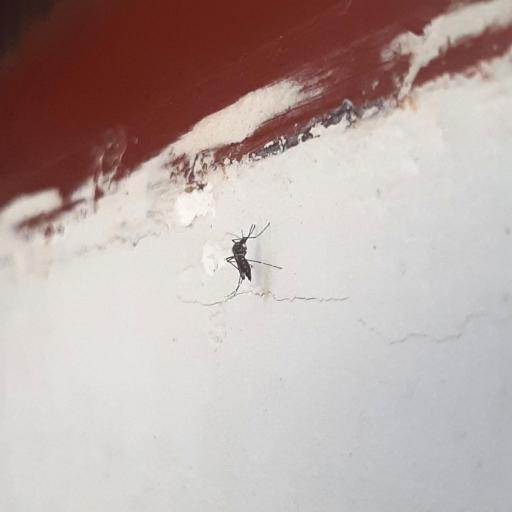
Often referred to as the Mosquito Plant or Citrosa Geranium, this fragrant perennial is a staple on summer patios. While its botanical connection to the Aedes aegypti mosquito is purely defensive—it was bred to mimic the scent of citronella—it has become a legendary "guardian" plant for gardeners hoping to enjoy a bite-free evening outdoors.
🔍 How to Identify
- 🍃 Lacy Foliage: The leaves are deeply lobed, crinkled, and feature a soft, velvety texture that feels slightly "fuzzy" to the touch.
- 🍋 The "Scratch & Sniff" Test: When you rub the leaves, they release an unmistakable, pungent burst of lemon and citronella oil.
- 🌸 Subtle Blooms: Unlike showy ornamental geraniums, this variety produces very small, delicate flowers in shades of pale lavender or white with purple veins.
🏡 In Your Garden
- ☀️ Light & Legginess: This plant is a sun-worshipper. If kept in the shade, it will become "leggy" and sparse as it stretches toward the light; keep it in a bright spot to maintain its bushy, compact shape.
- 🪴 Drainage is Key: It is highly susceptible to root rot. It prefers "dry feet," meaning you should wait until the top inch of soil is bone-dry before giving it a drink. It is a perfect candidate for terracotta pots which breathe better than plastic.
⚠️ Safety & Toxicity
- 🐾 Toxic to Pets: According to the ASPCA, this plant is toxic to dogs, cats, and horses. Ingestion can lead to vomiting, depression, and skin irritation (dermatitis).
- 👶 Child Safety: While not considered highly dangerous to humans, the essential oils in the leaves can cause mild stomach upset if eaten or skin redness in children with sensitive skin.
✨ Fun Fact
Despite its name, the Mosquito Plant doesn't actually "scare" mosquitoes away just by sitting on your table. To use its repellent powers, you have to crush a leaf and rub the oils directly onto your skin; otherwise, the Aedes aegypti mosquitoes will fly right past it!
More Details








