Info
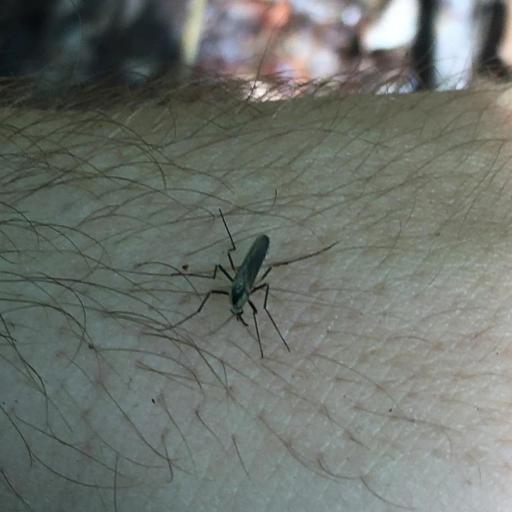
Often called the Eastern Treehole Mosquito, this dark, silver-accented insect is a common sight in the hardwood forests and shaded backyards of North America. While it might look like just another "pesky bug," it plays a significant role in the woodland ecosystem—and our health. Known for its stealthy daytime habits, it prefers the quiet shadows of oak and beech trees over the open sun.
🔍 How to Identify
- 🦟 Silvery Contrast: It has a deep black or dark brown body with striking patches of silvery-white scales on the sides of its thorax (the middle section).
- 🦵 Dark Limbs: Unlike its cousin, the Asian Tiger Mosquito, its legs are mostly dark and lack the prominent white "striped" bands.
- 📐 Pointed Abdomen: Like all members of the Aedes genus, the female has a pointed abdomen, designed for navigating tight spaces to lay eggs.
🌲 Habitat & Ecology
- 🌳 The Nursery: As the name suggests, its primary breeding ground is "tree holes"—natural cavities in trees that collect rainwater. In urban areas, it easily adapts to "artificial tree holes" like discarded tires, clogged gutters, and flower pots.
- 🦉 Woodland Diet: While the males strictly sip on flower nectar for energy, the females seek out blood meals. They primarily feed on squirrels and chipmunks but will readily bite humans and pets if they wander into their shaded territory.
- 🏠 Homebody Habits: This mosquito isn't a long-distance flyer. If you are being bitten by one, it likely hatched less than a few hundred yards away from where you are standing.
⚠️ Safety & Toxicity
- 🩺 Vector Status: This species is the primary carrier of the La Crosse encephalitis virus. While many mosquito bites are just itchy nuisances, this specific mosquito's bite can transmit more serious illnesses, particularly affecting children.
- 🛡️ Protection: Because they are "daytime biters" who love the shade, it is important to wear repellent or long sleeves during afternoon garden work or woodland hikes. Removing standing water from your property is the best way to keep them at bay.
✨ Fun Fact
The eggs of the Eastern Treehole Mosquito are "biological time capsules." They are glued to the inner wall of a tree hole just above the water line and can survive drying out or freezing for months, waiting for the next heavy rain to trigger their hatch!
More Details








