Info
Often called the Arctic Blue or Mountain Blue, butterflies of the Agriades genus are the resilient "ice queens" of the insect world. These tiny, shimmering creatures are specialists of the cold, thriving in high-altitude alpine meadows and freezing arctic tundras where most other butterflies couldn't survive. To see one is a treat, as they often represent some of the most pristine and untouched wilderness areas on the planet.
🔍 How to Identify
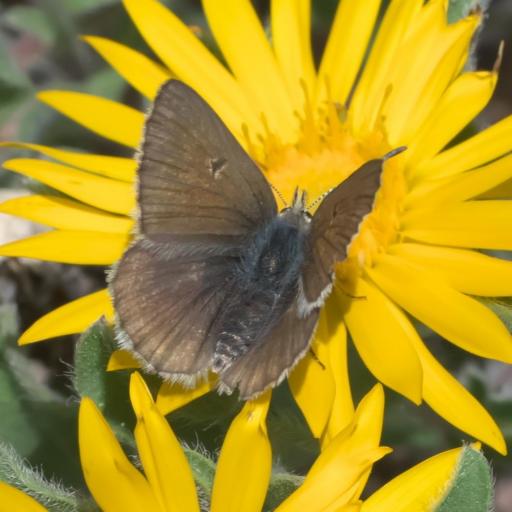
- 🦋 The Wings: Males usually display a stunning, soft metallic blue or silvery-violet on the upper side, while females are typically a more muted, earthy brown.
- ⚪ The "Eyes": The undersides of the wings are distinctive, featuring a series of white-ringed black spots and often a row of faint orange or white chevrons along the edges.
- 📏 The Size: These are "Gossamer-winged" butterflies, meaning they are quite small and delicate, often with a wingspan no larger than a postage stamp.
🌲 Habitat & Ecology
- 🏔️ High-Altitude Specialists: You won't find these in your average backyard. They prefer rocky slopes, glacial moraines, and arctic heaths, often flying very close to the ground to avoid being swept away by mountain winds.
- 🌱 Specialized Diet: As caterpillars, they are incredibly picky eaters, often feeding exclusively on specific alpine plants like Primroses (Primula) or Rock-jasmines (Androsace).
- 🐜 Ant Bodyguards: Like many members of the Lycaenid family, Agriades larvae often have a "secret handshake" with ants. They secrete a sugary fluid that ants love; in exchange, the ants act as tiny soldiers, protecting the caterpillars from predators.
⚠️ Safety & Toxicity
- 😇 Status: Completely harmless "Friend."
- 🧤 Details: These butterflies have no stingers or biting mouthparts. They are extremely fragile, so if one lands on you, it is best to stay still and admire it without touching, as the scales on their wings are easily damaged.
✨ Fun Fact
Because they live in such cold climates, Agriades butterflies have evolved a "darker" underside in some regions to help them absorb heat from the sun more quickly—acting like tiny solar panels to jumpstart their flight on chilly mornings!
More Details








