Info
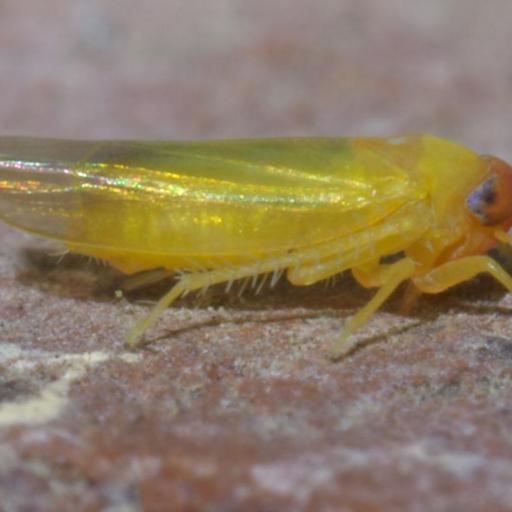
Meet the Alebra, the "Olympic jumpers" of the leafhopper world. These tiny, wedge-shaped insects are common sights on deciduous trees throughout the summer months. While they are technically garden inhabitants that feed on plants, their vibrant colors and erratic, zig-zagging movements make them a fascination for backyard nature lovers.
🔍 How to Identify
- 🛩️ Wedge-Shaped Profile: They have a distinctive triangular or "tent-like" shape when their wings are folded flat over their backs, tapering toward the rear.
- 🎨 Vibrant Stripes: Most Alebra species, such as the common Alebra albostriella, feature striking pale yellow, orange, or white stripes running longitudinally down their translucent wings.
- 📏 Micro-Size: They are incredibly small, usually measuring only 3 to 4 millimeters. You’ll likely spot the flash of their movement before you see their intricate patterns.
🌳 Habitat & Ecology
- 🍂 The Leaf Dwellers: These insects are specialists, often found huddled on the undersides of leaves on broad-leaved trees like Oak, Hawthorn, and Hornbeam.
- 🍹 Sap Seekers: They use specialized mouthparts to pierce plant tissue and drink nutrient-rich sap. While large numbers can cause "stippling" (tiny white dots) on leaves, they rarely cause permanent damage to healthy, established trees.
- 🏃 The Sideways Shuffle: One of their most charming behaviors is their "crab-walk." When startled, they often scuttle sideways across a leaf before launching into a high-speed leap or flight.
⚠️ Safety & Toxicity
- 🛡️ Harmless Neighbors: Alebra leafhoppers are completely "safe" insects. They do not possess a stinger, and they do not bite humans or pets.
- 🌿 Plant Health: While they are sap-suckers, they are generally considered "neutral" in the garden. They are a vital food source for birds and predatory insects, helping to maintain a balanced backyard ecosystem.
✨ Fun Fact
Leafhoppers like the Alebra are master "silent" communicators! They send complex vibrational songs through the stems and leaves of plants to find mates. While we can't hear them with the naked ear, the plant actually acts as a giant telephone wire for their courtship calls.
More Details








