Info
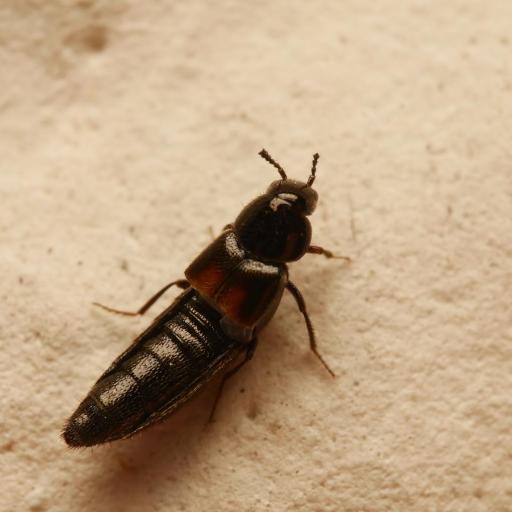
The Aleochara, commonly known as the Rove Beetle, is a sleek, fast-moving secret weapon in the world of natural pest control. Often found patrolling compost bins or garden soil, these beetles are the "special forces" of the insect world. Though their flexible tails and rapid movements might seem intimidating at first glance, they are dedicated hunters that keep annoying fly populations in check.
🔍 How to Identify
- 🪽 Short Wing Covers: Unlike most beetles, their wing covers (elytra) are very short, leaving more than half of their segmented abdomen exposed.
- 🦂 The "Scorpion" Pose: When threatened or running, they often curl their abdomen upward. It looks like a stinger, but it’s actually just a bluff to scare off predators!
- 🌑 Streamlined Body: They possess a narrow, polished black or dark brown body, perfectly shaped for "swimming" through loose soil and leaf litter.
🌲 Habitat & Ecology
- 🪰 The Fly Hunter: These insects are a double threat to pests. The adults are aggressive predators of fly eggs and maggots, while their tiny larvae act as "parasitoids," burrowing into fly cocoons to eat the pest from the inside out.
- ♻️ Organic Hotspots: You will typically find them in "active" areas like compost heaps, dung, or decaying organic matter. They are attracted to these spots specifically because that is where their favorite prey—flies—lay their eggs.
⚠️ Safety & Toxicity
- ✅ Harmless Ally: Aleochara beetles are completely non-toxic and possess no venom or stinger. They are safe to have in your garden, around children, and near pets.
- 🤏 Defensive Tactics: While they have small mandibles for hunting flies, they are generally too small to bite humans. If you pick one up, it might emit a faint, musky odor to discourage you from eating it, but it is otherwise harmless.
✨ Fun Fact
Aleochara larvae are like tiny "Trojan Horses." A single larva will find a fly pupa, chew a tiny hole to crawl inside, and then use its own silk and waste to seal the hole shut, living inside its food source until it is ready to emerge as an adult!
More Details








