Info
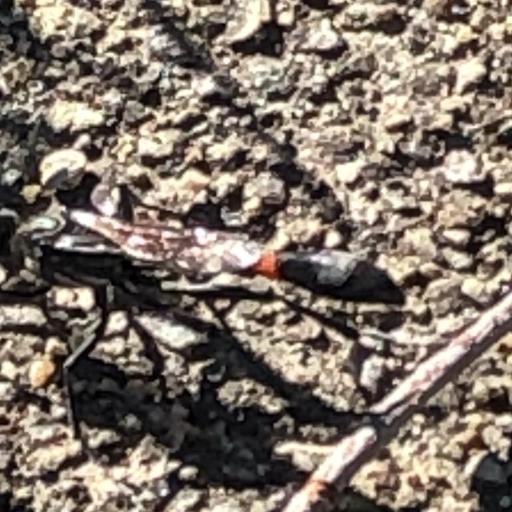
Meet the master of the "wasp waist." Ammophila procera, often called the Common Thread-waisted Wasp, looks like a sleek, high-tech needle flying through your garden. While their elongated silhouette might look intimidating, these solitary wasps are the ultimate garden allies, acting as both highly efficient pest controllers and gentle pollinators.
🔍 How to Identify
- ⏳ The Waist: They possess an incredibly thin, elongated segment called a petiole that connects the thorax to the abdomen, looking like a literal piece of black thread.
- 🎨 Coloration: A mostly matte black body with a striking orange or reddish-orange band across the middle of the abdomen.
- 📏 Body Shape: They are exceptionally long and slender, often reaching up to 1.5 inches in length, featuring smoky-colored wings and long, spindly legs.
🌲 Habitat & Ecology
- 🏜️ Ground Dwellers: These wasps prefer open, sunny areas with sandy or loose soil. You will often see them "dancing" near the ground as they search for the perfect spot to excavate a deep, vertical burrow.
- 🐛 Caterpillar Hunters: The female is a solitary hunter with a very specific mission. She stalks large caterpillars, paralyzes them with a precise sting, and drags them back to her burrow to serve as a living pantry for her larvae.
- 🌸 Nectar Lovers: While the larvae are carnivores, the adults are vegetarians. You’ll frequently find them peaceably sipping nectar from milkweed, goldenrod, and other wildflowers.
⚠️ Safety & Toxicity
- 🛡️ Low Risk: Unlike "social" wasps (like yellowjackets), Ammophila procera has no hive to defend. They are remarkably docile and will generally fly away rather than fight if a human approaches.
- 🐝 The Sting: They are capable of stinging if handled roughly or stepped on, but the venom is specialized for paralyzing insects rather than causing intense pain in mammals. It is typically less painful than a honeybee sting.
- 🐾 Pets & Kids: They pose very little threat to children or pets. Their solitary nature means you will never face a "swarm," making them safe neighbors for a busy backyard.
✨ Fun Fact
🛠️ The Insect Architect: Ammophila wasps are among the rare insects known to use "tools." After sealing her burrow, the female will often pick up a small pebble in her mandibles and use it as a hammer to tamp down the dirt, perfectly camouflaging the entrance from predators.
More Details








