Info
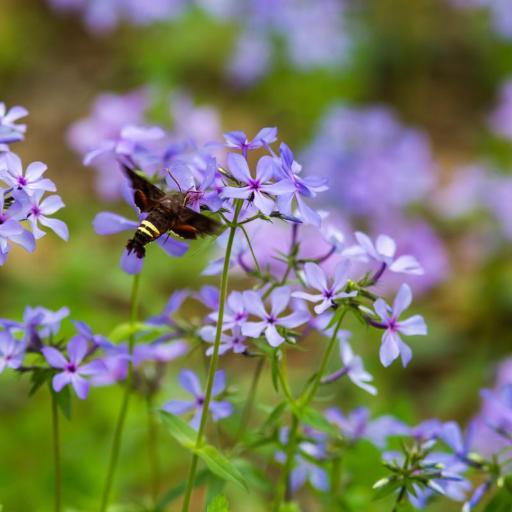
Meet the Nessus Sphinx Moth, a master of disguise often mistaken for a giant bumblebee or a tiny, chocolate-colored hummingbird. This high-speed flier is a welcome "friend" in any landscape, frequently seen darting between flowers during the golden hours of the afternoon. While its rapid hovering and "tufted tail" might look intimidating to the untrained eye, it is a gentle pollinator with a flair for the dramatic.
🔍 How to Identify
- 🦋 The Golden Bands: Look for two unmistakable, bright yellow or orange-gold stripes wrapped around its dark, velvety abdomen.
- 🦞 The "Lobster" Tail: The tip of its body features wide, fan-like tufts of scales that it can spread out, giving it a silhouette remarkably similar to a shrimp or lobster.
- 🍫 Rich Coloring: Its wings and body are a deep, cocoa-brown, often accented with subtle wavy patterns that help it blend into tree bark when resting.
🌲 Habitat & Ecology
- 🌸 Sunlight Seekers: Unlike most moths that wait for total darkness, the Nessus Sphinx is crepuscular and even diurnal, meaning you’ll often find it active in the bright afternoon sun or at dusk.
- 🍇 Vine Specialists: Their caterpillars—large, green or brown larvae with a signature "horn" on their rear—are primarily found munching on wild grapevines, Virginia creeper, and peppervines.
- 🐝 Protective Mimicry: They move with incredible speed and precision. By mimicking the flight patterns and sounds of bees, they trick birds into thinking they are a dangerous snack, keeping them safe while they forage.
⚠️ Safety & Toxicity
- 🛡️ Completely Harmless: Despite their "stinger-like" tail tufts and bee-like buzzing, they have no way to bite, sting, or harm humans.
- 🐾 Safe for Pets: These moths are non-toxic and do not possess irritating hairs, making them a safe neighbor for curious dogs or cats in the backyard.
✨ Fun Fact
The "tail" of the Nessus Sphinx isn't made of bone or flesh, but rather specialized scales that the moth can flare open or shut like a folding fan to help it steer during high-speed aerial maneuvers!
More Details








