Info
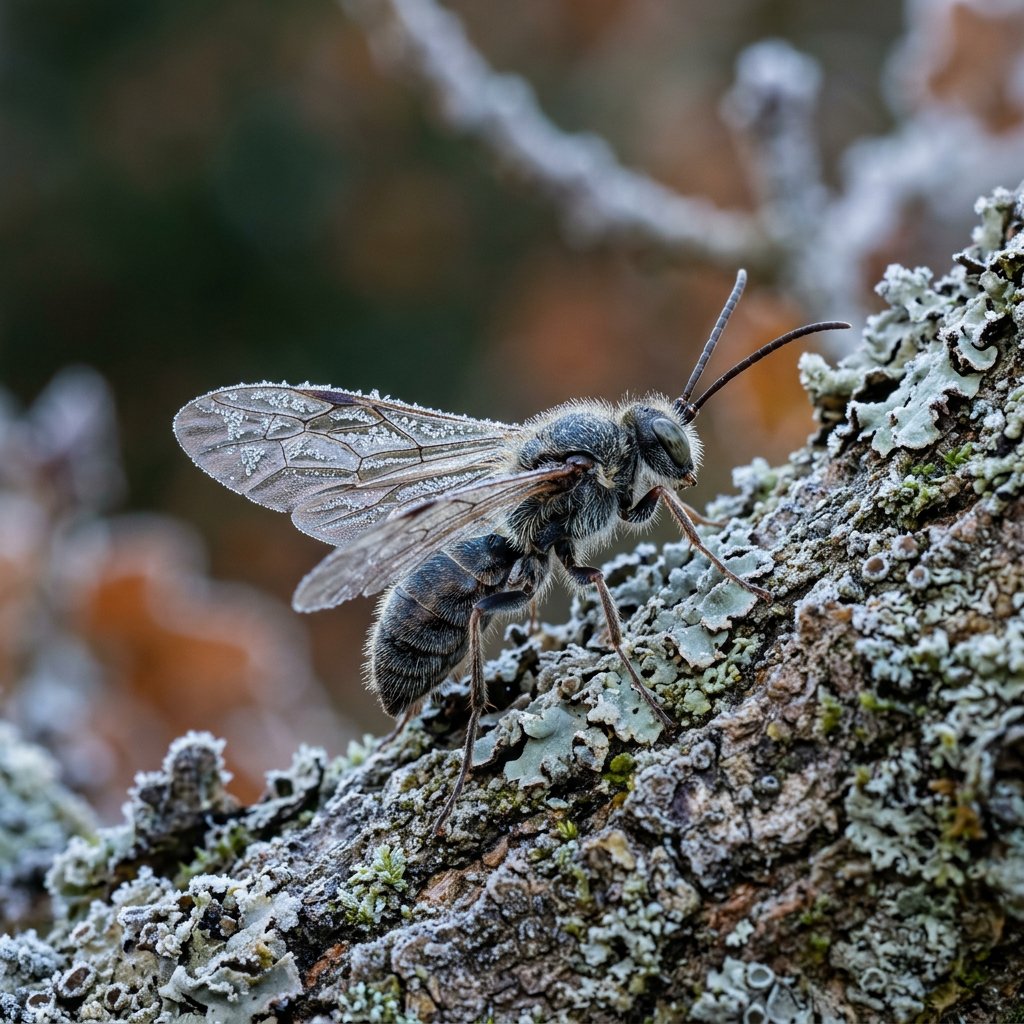
Meet the tiny architect of the oak forest! Andricus quercustozae is a specialized gall wasp famous for its "botanical mind control," forcing oak trees to build elaborate, crown-shaped fortresses for its young. While the wasp itself is rarely seen, the large, woody "turban galls" it leaves behind are a staple of Mediterranean and European woodlands, often mistaken for some kind of strange, woody fruit.
🔍 How to Identify
- 🐝 The Adult Wasp: A minute, inconspicuous dark brown insect, often measuring less than 5mm. They are rarely spotted outside of their brief emergence period.
- 🏰 The "Crown" Gall: The most obvious sign is a large, spherical, woody growth on oak twigs. These galls are distinct for their "toothed" or "turban" top, featuring a ring of points or bumps.
- 🔘 The Exit Port: Look for a single, perfectly circular hole on the side of the gall; this is the "front door" where the adult wasp chewed its way out after maturing.
🌲 Habitat & Ecology
- 🌳 The Oak Host: These wasps are obligate specialists of Oak trees (Quercus species). They are most common in sunny, dry Mediterranean climates where they favor the Turkey Oak and similar species.
- 🧬 Chemical Hijacking: The female wasp injects a cocktail of chemicals along with her eggs into the tree's buds. This triggers the tree to grow the gall—a structure that provides the larva with both a high-nutrient food source and a thick armor against predators.
- 🏨 Secondary Residents: Old, abandoned galls often become "insect hotels," providing shelter for spiders, ants, and other tiny wasps who move in once the original occupant has left.
⚠️ Safety & Toxicity
- 🛡️ Harmless to Humans: Despite being a wasp, Andricus quercustozae cannot sting humans. Its ovipositor (egg-laying tool) is designed purely for piercing tough plant tissue.
- 🌿 Tree Health: While a heavy infestation might look alarming or cause minor twig dieback, these wasps are a natural part of the ecosystem and rarely cause significant harm to a healthy, mature oak tree.
✨ Fun Fact
The galls created by this wasp are incredibly rich in tannins. For centuries, similar oak galls were crushed and mixed with iron salts to create "Iron Gall Ink"—the standard writing medium for some of history's most important documents, including the Magna Carta and the US Constitution!
More Details








