Info
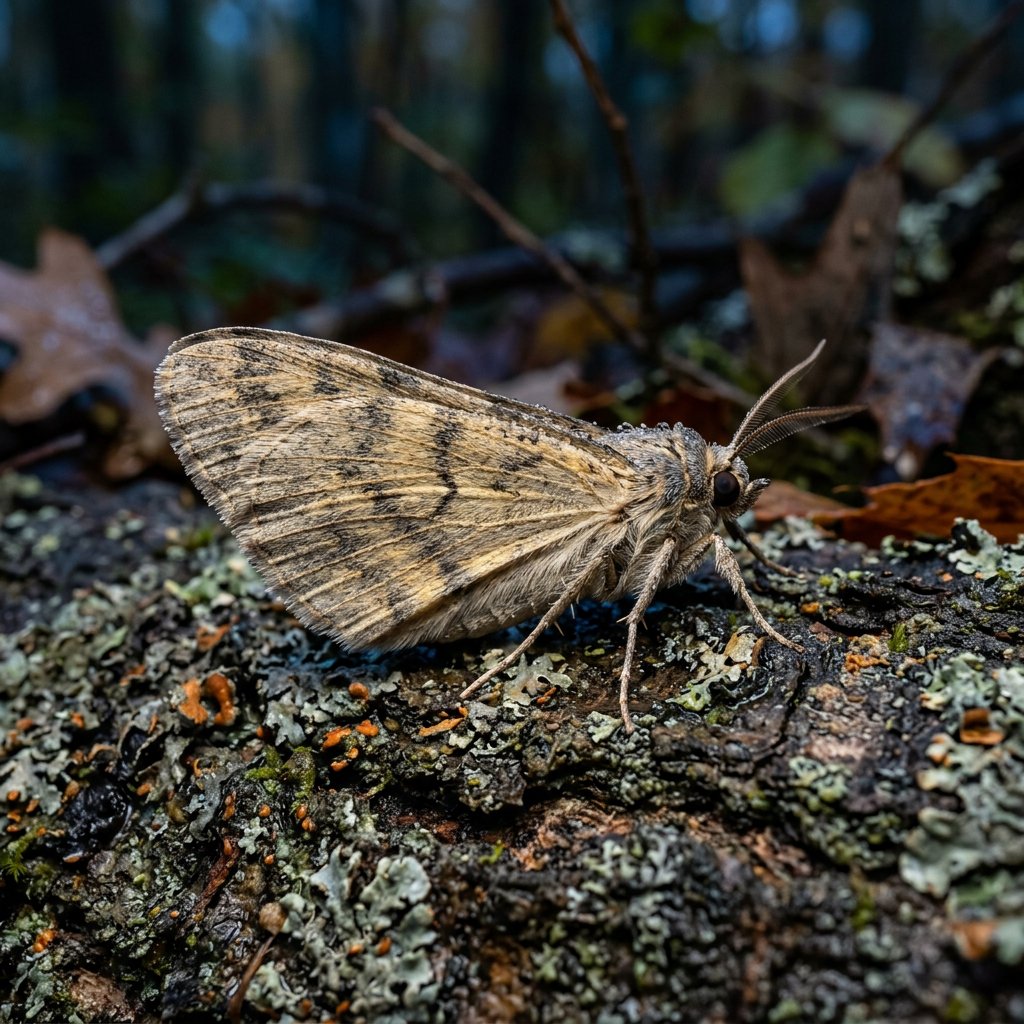
Often overlooked as a plain brown moth, the Anicla infecta hides a ghostly secret beneath its wings. Commonly known as the Green Cutworm Moth, this nocturnal traveler is a frequent visitor to gardens across the Americas. While the adult is a gentle, pearly-winged flier, its youthful caterpillar stage is well-known to enthusiasts for its remarkable camouflage and voracious appetite for greenery.
🔍 How to Identify
- 🎨 The Camouflage Cloak: The forewings (top wings) are typically a dusty tan or grayish-brown, marked with two subtle spots—one circular and one kidney-shaped—that help it blend perfectly into dried leaves.
- 👻 Pearly Hindwings: When the moth takes flight, it reveals strikingly white, almost translucent hindwings with thin, dark smoky borders, giving it a "ghostly" appearance in the dark.
- 🐛 The Striped Larva: The caterpillar is usually a vibrant lime green or soft brown, decorated with pale longitudinal stripes that run the length of its body, allowing it to vanish against blades of grass.
🌲 Habitat & Ecology
- 🌾 The "Cutworm" Habit: The larvae are famous for their "cutworm" behavior—they often feed at the base of plants, "cutting" through the stems of grasses, clover, and alfalfa at soil level during the night.
- 🌙 Light Seeker: As adults, they are strictly nocturnal. You will most likely find them near porch lights or garden lanterns, as they are highly attracted to artificial light sources during their evening travels.
⚠️ Safety & Toxicity
- 🛡️ Completely Harmless: Anicla infecta is a "friend" to humans. They do not possess stingers, they do not bite, and they are not toxic to touch.
- 🌱 Garden Warning: While they pose no threat to people or pets, a high population of their caterpillars can be a nuisance for your lawn, occasionally creating small brown patches where they have grazed heavily on the turf.
✨ Fun Fact
This moth is a surprisingly skilled navigator! Despite its delicate appearance, Anicla infecta is known for its migratory nature, often hitching rides on warm weather fronts to travel thousands of miles from tropical climates deep into North America.
More Details








