Info
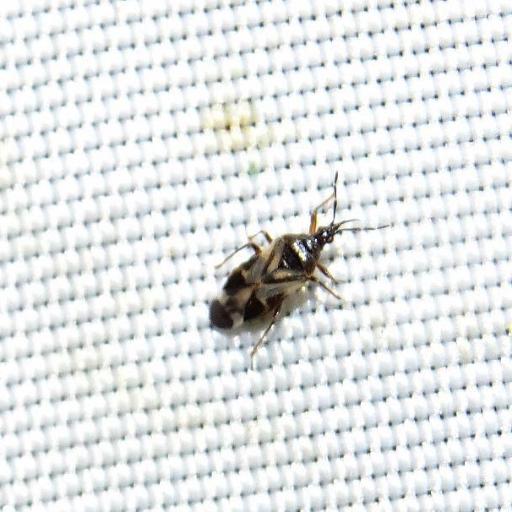
Often called the Common Flower Bug, Anthocoris nemoralis is a tiny but fierce ally for any gardener. While its name sounds delicate, this miniature predator is a nightmare for common garden pests like aphids and psyllids. Often found patrolling fruit trees and boxwood hedges, it acts as a natural "security guard" for your plants.
🔍 How to Identify
- 🪲 Compact Build: A small, oval-shaped body measuring only 3–4mm, typically appearing dark brown to black with a glossy finish.
- ✨ Reflective Wings: It possesses shiny forewings with a distinct dark, triangular section (the cuneus) at the tip, which catches the light as it moves.
- 📍 Pointed Rostrum: A sharp, needle-like "beak" is tucked under its head, which it uses to pierce the bodies of its prey and suck out their contents.
🌲 Habitat & Ecology
- 🛡️ The Ultimate Predator: This bug is a generalist hunter, meaning it isn't picky. It is particularly famous for controlling "Boxwood Psyllids" and "Pear Suckers," making it invaluable in orchards.
- 🏃 High Activity: You will rarely find them sitting still; they are fast runners that scurry across the undersides of leaves and inside flower clusters in search of a meal.
- 🏡 Overwintering: During the cold months, they tuck themselves away in crevices of tree bark or leaf litter, waiting for the first signs of spring to emerge and begin hunting again.
⚠️ Safety & Toxicity
- 🤏 Nuisance Nipper: While they are beneficial "friends," they are known to occasionally "test-bite" human skin if they land on you.
- 🎈 Minor Irritation: The bite can feel like a sharp needle prick and may cause a small, itchy red bump. However, they are not venomous, do not carry diseases, and the irritation usually fades quickly.
✨ Fun Fact
Despite their tiny size, Anthocoris nemoralis are so effective at pest control that they are commercially farmed and sold to professional greenhouse growers as a "biological weapon" against thrips and mites!
More Details








