Info
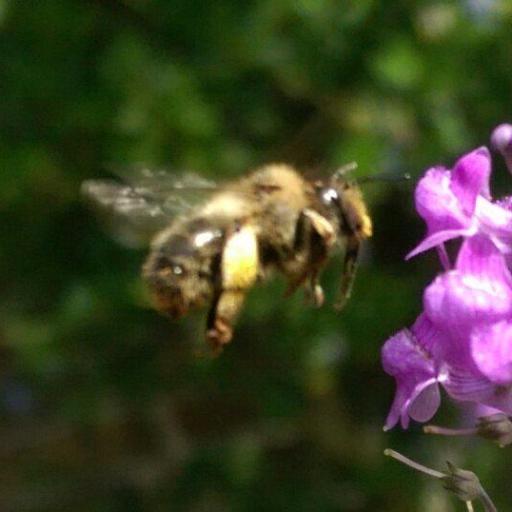
Known as the Fork-tailed Flower Bee, this charming solitary insect is a master of the mid-summer garden. While it is often mistaken for a miniature bumblebee due to its fuzzy coat, its high-pitched hum and lightning-fast "darting" flight patterns give it away. This bee is a vital pollinator that brings a sense of energetic movement to any backyard wildflower patch.
🔍 How to Identify
- 🦊 The Rusty Tail: The most iconic feature is the patch of bright orange or reddish hairs at the very tip of the abdomen (most prominent in females), which looks like a tiny flame.
- 🧸 Golden Fuzz: Its thorax is covered in a dense, velvety coat of buff-brown or yellowish hairs, giving it a soft, cuddly appearance from a distance.
- 💨 The Hover-Zip: Unlike the slow, heavy flight of a bumblebee, this bee moves with incredible agility, hovering perfectly still before zipping away in the blink of an eye.
🌲 Habitat & Ecology
- 🪵 The Woodworker: While many solitary bees dig into the soil, Anthophora furcata prefers to excavate its nesting tunnels in soft, decaying wood. Old logs, dead tree stumps, or even aging fence posts are prime real estate for their nurseries.
- 🌸 A Minty Appetite: They are highly specialized foragers with a deep love for flowers in the Mint family (Lamiaceae). If you have Hedge Woundwort, Dead-nettles, or Salvia in your garden, you are likely to spot them visiting.
⚠️ Safety & Toxicity
- ✅ A Gentle Friend: This is a non-aggressive, solitary bee. Because they do not have a hive or a queen to protect, they have no "soldier" instinct and are very unlikely to sting unless physically crushed.
- 🛡️ Safe for Families: They are perfectly safe to observe closely. They pose no threat to curious children or pets, making them an excellent subject for nature photography or "bee-watching."
✨ Fun Fact
These bees are famous for their "high-pitched" personality; they vibrate their wing muscles so rapidly that they create a distinct, loud "zinging" sound that is much higher in tone than the low drone of a typical honeybee.
More Details








