Info
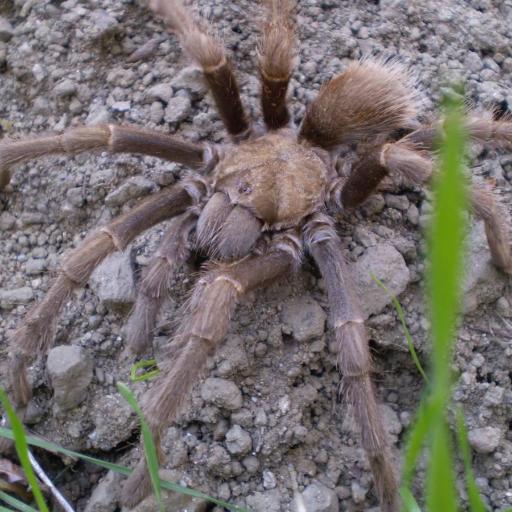
Often called the Great Basin Blond or the Desert Blond Tarantula, this fuzzy giant is one of the most iconic residents of the American West. While its size might give you a fright, this spider is actually a "gentle giant" of the arachnid world, known for its remarkably docile nature and striking tawny color. In many desert communities, seeing these spiders on the move is a classic sign that autumn is just around the corner.
🔍 How to Identify
- 🕷️ Velvety Coat: They are covered in dense, shimmering hairs that range from a pale sandy-blond to a light tan, which helps them blend into desert soils.
- 🛡️ Carapace Color: The "shield" on their back (the cephalothorax) is often a lighter, more metallic blond than the rest of their body.
- 📏 Sturdy Build: A mature adult can reach a leg span of 4 to 5 inches, with a thick, robust body designed for life on the ground rather than spinning webs in trees.
🌲 Habitat & Ecology
- 🏜️ Underground Architecture: These tarantulas are expert burrowers. They spend the hottest parts of the day inside silk-lined holes in the ground, which stay cool and humid compared to the scorching desert surface.
- 🦗 Sit-and-Wait Predator: Rather than chasing down prey, they sit near the entrance of their burrow and wait for the "vibrations" of a passing cricket, beetle, or grasshopper to signal that dinner has arrived.
- 🚶 The Great Migration: During late summer and fall, you may see many of these spiders crossing roads. These are almost always males who have left their burrows to wander miles in search of a mate.
⚠️ Safety & Toxicity
- 🧤 Urticating Hairs: Their main defense isn't a bite, but their "itchy hairs." If threatened, they use their back legs to flick tiny, barbed hairs from their abdomen, which cause intense skin and eye irritation to predators.
- 🩹 The Bite: While they have large fangs, their venom is mild—roughly equivalent to a bee sting for most humans. They are very slow to bite and will usually try to hide first.
- 🐾 Pet Safety: Keep curious dogs or cats away. While the venom isn't typically "deadly," those irritating hairs can cause severe swelling if a pet tries to sniff or eat the spider.
✨ Fun Fact
Female Desert Blond Tarantulas are the ultimate homebodies; they can live for over 25 years in the same burrow! Meanwhile, the males live much shorter lives, often dying shortly after they reach adulthood and complete their long trek to find a mate.
More Details








