Info
Often called the Black-headed Worm or the Long Worm, Aporrectodea longa is one of the "Big Three" earthworm species essential for a healthy landscape. While it might look like just another "creepy crawly," this invertebrate is an absolute best friend to gardeners and farmers alike. It acts as a silent architect, tirelessly tilling the earth far beneath our feet.
🔍 How to Identify
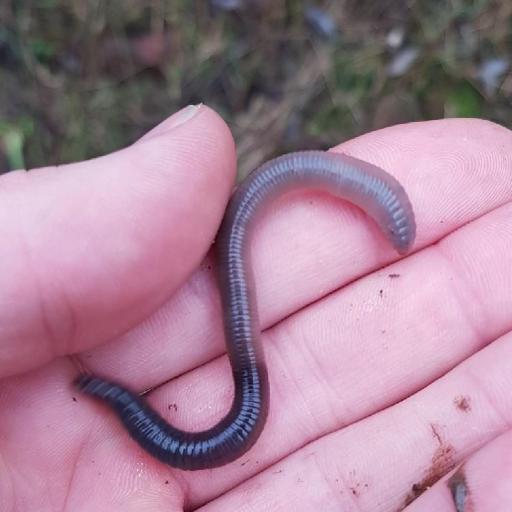
- 👤 The Dark Head: Unlike many pinkish garden worms, this species has a distinctively dark, chocolate-brown or blackish-blue head that fades into a much paler body.
- 📏 Impressive Length: It is one of the largest earthworms you’ll find in temperate regions, often stretching out to a surprising 12 to 15 centimeters when moving.
- 🛶 Spatulate Tail: The tail end is often flattened or "paddle-shaped," which helps it grip the walls of its deep vertical burrows.
🌲 Habitat & Ecology
- 🏗️ Deep-Sea Divers of the Soil: This is an "anecic" worm, meaning it builds permanent, vertical burrows that can go as deep as 3 meters! It pulls fallen leaves and organic matter from the surface down into the deep soil to eat.
- 💧 Drainage Experts: Because they create deep, open tunnels, they are vital for preventing floods in your garden. Their burrows act like a natural drainage system, allowing rainwater and oxygen to reach the roots of your plants easily.
⚠️ Safety & Toxicity
- ✅ Status: Completely Harmless.
- 🪱 Details: These worms are non-toxic, do not bite, and do not sting. They are highly beneficial for the environment. If you find one on the sidewalk after a heavy rain, simply move it back to soft, moist soil so it can find its way home.
✨ Fun Fact
Earthworms like Aporrectodea longa are much hardier than they look; under the right conditions, a single individual can live for up to 10 years, making them the long-lived "grandparents" of your garden soil!
More Details








