Info
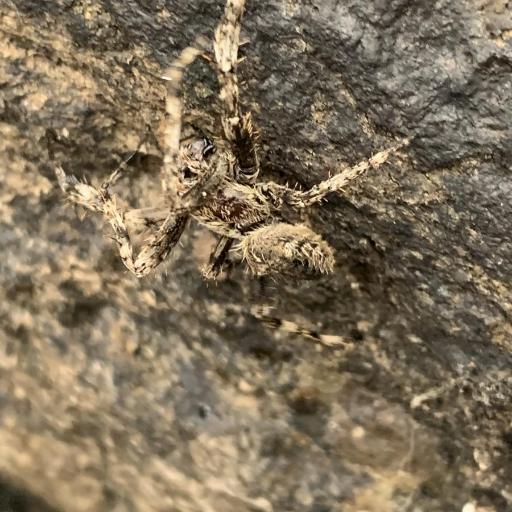
The Fierce Orb-weaver (Araneus saevus) sounds like a creature straight out of a gothic novel, but in reality, it is a shy, master architect of the forest. Known for its impressive size and the distinct "shoulders" on its abdomen, this spider is a common sight in northern latitudes. While its name suggests a temperament of pure aggression, it is actually a beneficial neighbor that spends its nights trapping pesky flying insects in its intricate, circular webs.
🔍 How to Identify
- ⛰️ Angled Abdomen: The most striking feature is the pair of humps or "shoulders" on the front part of the abdomen, giving it a rugged, mountainous silhouette.
- 🎨 Variable Patterns: Their color ranges from chocolate brown to pale grey, usually decorated with a pale, inverted "V" or a series of white spots that look like a cryptic map.
- 🦵 Banded Legs: Look closely at the legs, and you will see distinct alternating rings of dark and light colors, which help the spider camouflage against tree bark and lichen.
🌲 Habitat & Ecology
- 🕸️ Nighttime Engineer: This species is primarily nocturnal. It builds a fresh, large orb-shaped web every evening to catch moths and mosquitoes, then often dismantles it (and eats the silk to recycle the protein) before the sun fully rises.
- 🏡 The Hidden Retreat: During the day, you won't find the spider sitting in the middle of its web. Instead, follow a "signal line" of silk to a nearby curled leaf or crevice where the spider hides from birds and predators.
- 🌲 Forest Favorite: While they are often found on the eaves of houses near wooded areas, their true home is among coniferous trees like pines and spruces, where their earthy tones blend in perfectly.
⚠️ Safety & Toxicity
- 🛡️ Non-Aggressive: Despite the "Fierce" in its name, this spider is quite timid. It will almost always choose to drop to the ground or retreat further into its hiding spot rather than confront a human.
- 🐜 Mild Venom: While it does possess venom to subduing insects, it is not medically significant to humans. A bite—which only occurs if the spider is squeezed or handled roughly—is roughly equivalent to a mild bee sting, resulting in temporary redness or slight swelling. It is not considered a threat to healthy pets.
✨ Fun Fact
The species name saevus is Latin for "fierce" or "cruel," but this is a bit of a scientific misnomer. The name was given in the 1800s, likely because of its large size and "armored" appearance, rather than its actual personality!
More Details








