Info
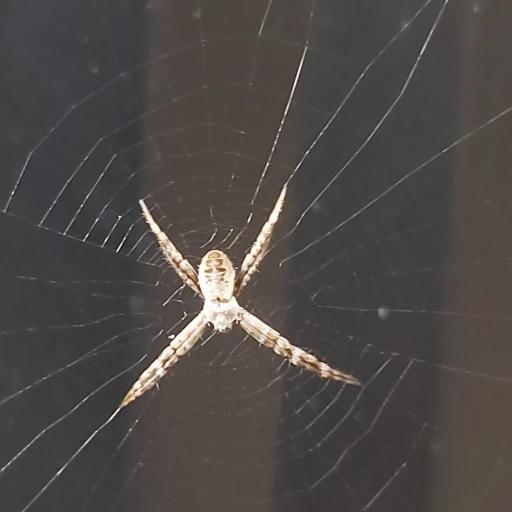
Known as the St. Andrew's Cross Spider, this arachnid is a master of garden architecture and one of Australia’s most recognizable backyard residents. Named after the martyr's cross it mimics in its web, this spider is a striking "friend" to gardeners, acting as a natural pest controller that stays perched in its geometric masterpiece all day long.
🔍 How to Identify
- 🕸️ The Web Cross: The most iconic feature is the thick, zig-zagging white silk ribbons (called stabilimenta) that form an "X" shape in the center of the web.
- 🎨 Abdominal Pattern: The female boasts a spectacular abdomen decorated with horizontal bands of bright yellow, silver, red, and dark brown.
- 🕷️ Leg Positioning: When resting, the spider holds its eight legs in pairs, aligning them perfectly with the four arms of the silk cross to appear as part of the structure.
- 📏 Size Difference: You will mostly notice the large, colorful females; the males are significantly smaller, brown, and much less conspicuous.
🌲 Habitat & Ecology
- 🦟 The Ultimate Pest Guard: They are exceptional hunters, primarily catching flying insects like flies, moths, and even heavy grasshoppers that stumble into their sticky orbs.
- 🛡️ Defense Shaking: If disturbed, this spider won't usually bite. Instead, it vigorously shakes its web, becoming a rhythmic blur to confuse predators like birds or wasps.
- 🏡 Garden Preference: They love low-growing shrubs and tall grasses where they can stretch their webs across gaps. They prefer sunny spots where their silk "cross" can reflect light.
⚠️ Safety & Toxicity
- 🟢 Status: Not dangerous to humans or pets.
- 🩹 Details: While they look intimidating, they are non-aggressive and shy. If forced to bite (by being handled roughly), the venom is very mild, typically resulting in nothing more than minor local pain or a small red bump, similar to a bee sting.
- 🐾 Pet Safety: They are generally considered harmless to curious cats and dogs, though the sticky web might be a nuisance if your pet walks through it!
✨ Fun Fact
Scientists believe the "Cross" in the web serves two purposes: it reflects UV light to attract pollinating insects into the trap, and it acts as a "highway sign" to prevent birds from accidentally flying through and destroying the spider’s hard work!
More Details








