Info
The Common Castor (Ariadne merione) is a master of disguise and a frequent visitor to tropical gardens. Named for its unwavering devotion to the Castor oil plant, this butterfly is often mistaken for a fluttering dead leaf until it settles to reveal its vibrant, tawny-orange interior. It is a common sight across South and Southeast Asia, known for its distinctively "nervous" flight style.
🔍 How to Identify
- 🦋 Wing Patterns: The upper wings are a bright tawny or brownish-orange, decorated with several thin, dark, wavy lines that run parallel to the wing edges.
- ✂️ Scalloped Edges: Unlike the smooth curves of many butterflies, the Common Castor has "toothed" or jagged wing margins, giving it a rough, papery silhouette.
- 🍂 The "Dead Leaf" Look: When the wings are closed, the underside is a duller, mottled brown with purplish-grey tones, allowing it to vanish against tree bark or dried foliage instantly.
🌲 Habitat & Ecology
- 🌱 The Host Plant: This butterfly is biologically tied to the Castor oil plant (Ricinus communis). If you see these butterflies in your garden, a Castor plant—or a wild relative—is likely nearby, as this is where they lay their eggs.
- 💨 Erratic Movement: You can identify them by their flight; they stay low to the ground and move with a "flap-and-glide" motion that looks jerky and unpredictable, a tactic used to confuse birds.
⚠️ Safety & Toxicity
- ✅ Completely Harmless: The Common Castor is a "friend" to humans. It does not bite, sting, or carry any known diseases.
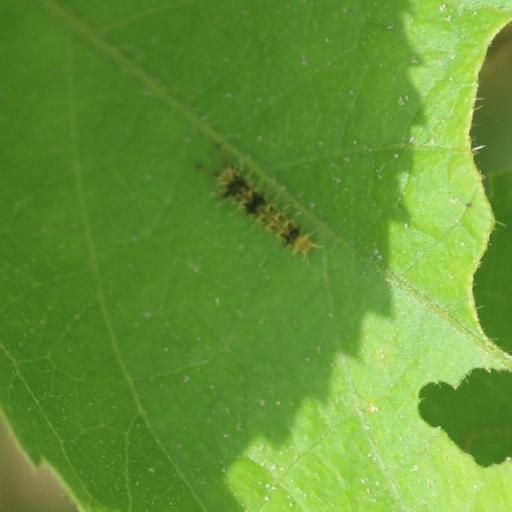
- 🐾 Caterpillar Context: While the butterfly is safe, its caterpillars are covered in branching spines. While not considered "stinging" like some moth larvae, they can cause mild irritation to sensitive skin or curious pets if handled roughly.
✨ Fun Fact
The Common Castor pupa (chrysalis) is just as deceptive as the adult. It looks exactly like a twisted, shriveled dead leaf hanging from a stem, complete with fake "veins" to trick hungry predators.
More Details








