Info
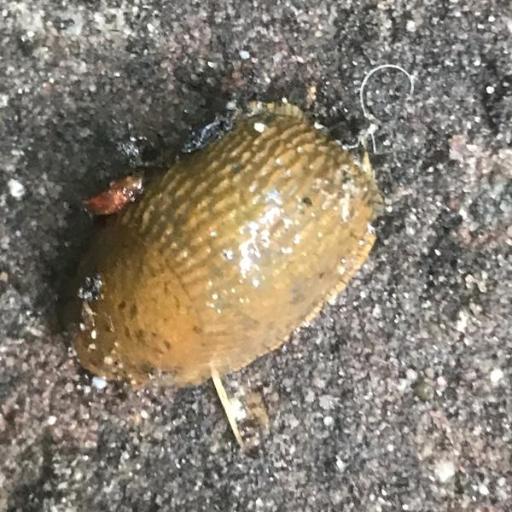
Known as the European Red Slug, this giant of the gastropod world is a frequent visitor to damp gardens and lush forests across Europe and North America. While its vibrant, fruit-like coloring makes it stand out, this creature is a powerhouse of decomposition, tirelessly recycling organic matter back into the soil to keep the ecosystem thriving.
🔍 How to Identify
- 🐌 Size & Shape: One of the largest land slugs in existence, it can reach up to 15 centimeters (6 inches) in length. When moving, it looks like a thick, fleshy cigar; when resting, it hunches into a compact dome.
- 🎨 Vibrant Coloring: Despite the name "Rufus" (red), their color is highly variable. They range from vivid pumpkin orange and deep mahogany to chocolate brown, usually featuring a distinctive pale "fringe" around the base of their foot.
- 🕳️ The Breathing Hole: On the right side of the mantle (the smooth "cape" behind the head), you will see a prominent hole called the pneumostome. In this species, it is located toward the front of the mantle.
🌲 Habitat & Ecology
- 🥬 The Garden Gourmet: These slugs are generalist scavengers. While they are notorious for nibbling on lettuce and young seedlings, they also perform a "clean-up" service by eating decaying fungi, fallen leaves, and even animal waste.
- 💧 Moisture Seekers: Because they lack a shell, they are prone to drying out. You will mostly find them active at twilight or after a heavy rain. During the day, they hide under logs, stones, or deep within compost piles to stay cool and damp.
⚠️ Safety & Toxicity
- 🧼 Sticky Defense: They are non-toxic and do not bite. However, they produce an incredibly thick, sticky mucus that is very difficult to wash off skin and can cause mild irritation if it gets into your eyes or mouth.
- 🐕 Pet Warning: These slugs can act as intermediate hosts for Angiostrongylus vasorum (lungworm). If your dog or cat accidentally ingests one while playing or eating grass, it can lead to serious health issues. Keep a close eye on curious pets!
- 🧤 Handling: If you must move one, it is best to use a leaf or wear gloves to avoid the stubborn slime.
✨ Fun Fact
When threatened, Arion rufus doesn't just sit there—it performs a "dance." It will contract its body into a tight hemisphere and begin a rhythmic rocking motion from side to side. This behavior is designed to confuse predators and make its slippery body even harder to grasp!
More Details








