Info
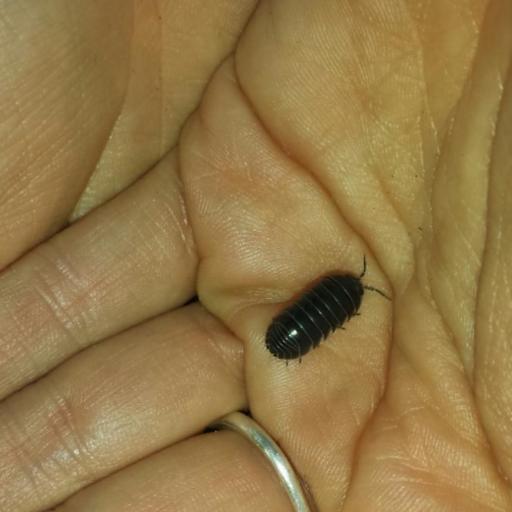
Commonly known as the Common Pill Bug, "Roly-poly," or "Potato Bug," Armadillidium vulgare is the garden's miniature tank. Despite its common name, it isn't a plant or even an insect—it is a terrestrial crustacean, making it a closer relative to crabs and lobsters. These tiny architects of the soil are the ultimate recyclers, famous for their ability to roll into a perfect, armored sphere when they feel threatened.
🔍 How to Identify
- 🛡️ The Armor: A segmented, slate-gray exoskeleton made of hard, overlapping plates that provide a distinct "armored" appearance.
- 🦵 Leg Count: Unlike insects that have six legs, these creatures possess seven pairs of jointed legs.
- 📡 Bent Antennae: Two prominent, elbowed antennae used to navigate dark environments and detect moisture.
🌲 Habitat & Ecology
- 🪵 The Moist Underworld: Because they are crustaceans, they breathe through gill-like structures. They must live in damp environments—like under rotting logs, stones, or thick mulch—to keep their "gills" from drying out.
- 🍂 Nature’s Janitor: They are detritivores, meaning they spend their lives eating decaying organic matter. They play a vital role in the ecosystem by breaking down dead leaves and returning nutrients to the soil.
- 💧 Moisture Seekers: You will rarely see them in the direct sun; they are most active at night or during damp, overcast days to conserve water.
⚠️ Safety & Toxicity
- ✅ Harmless Helper: Pill bugs are completely non-toxic and do not bite, sting, or carry diseases. They are one of the safest creatures for children to handle and observe.
- 🐶 Pet Friendly: They pose no threat to cats, dogs, or other household pets. In fact, they are often used as "clean-up crews" in bioactive reptile terrariums.
- 🌱 Minor Garden Nuisance: While they prefer dead leaves, they may occasionally nibble on very young seedlings or low-hanging strawberries if their preferred food source is scarce.
✨ Fun Fact
🧬 Pill bugs are truly unique—they don't urinate! Instead, they exchange waste as ammonia gas through their shells. Furthermore, their blood is blue because it contains hemocyanin (which uses copper) instead of the iron-based hemoglobin found in humans.
More Details








