Info
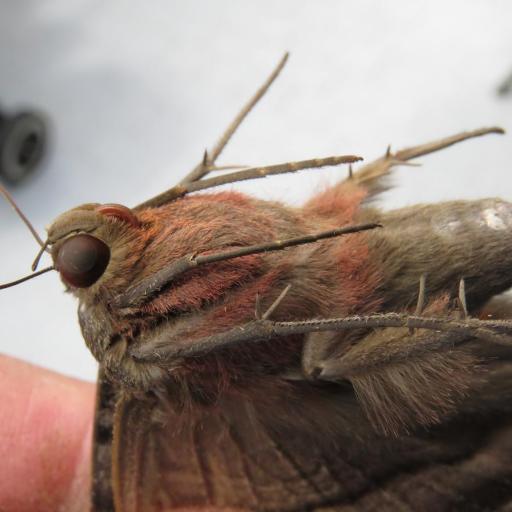
Often called the "Bat Moth" or "Mariposa de la Muerte," the Black Witch Moth (Ascalapha odorata) is one of the largest and most misunderstood insects in the Americas. Despite its spooky reputation in Latin American folklore, this gentle giant is a harmless wanderer that often follows seasonal rains. Its massive size and dark, mottled colors frequently lead people to mistake it for a small bird or a stray bat fluttering near the ceiling.
🔍 How to Identify
- 🦋 Massive Wingspan: These are true giants, with a wingspan that can reach up to 7 inches across, making them the largest moths found north of the tropics.
- 👁️ Subtle Iridescence: While they look dark brown or black at a distance, a close look reveals a beautiful, wavy pattern with faint "eyespots" and a shimmering violet or pinkish sheen on the upper wings.
- 🦇 Bat-Like Silhouette: When resting, their wings create a wide, triangular shape with scalloped edges that mimic the texture of tree bark or deep shadows.
🌲 Habitat & Ecology
- 🍎 A Sweet Tooth: Unlike many moths that visit flowers for nectar, the Black Witch prefers a diet of overripe, fermenting fruit or the sugary sap leaking from wounded trees.
- 🏠 Urban Hitchhikers: They are famous for migrating long distances on storm fronts. You will often find them resting perfectly still under the eaves of houses, in carports, or against dark walls during the day to hide from birds.
- 🌳 Host Plants: Their caterpillars (which are also quite large) typically feed on the leaves of Leguminous trees, such as Acacia, Ebony, and Mesquite.
⚠️ Safety & Toxicity
- 🛡️ Completely Harmless: Despite their intimidating size and the "Death" nicknames, these moths have no sting, no bite, and are not poisonous to touch.
- 🐾 Pet Friendly: They pose no threat to curious dogs or cats. Their only defense is their erratic, "bat-like" flight pattern and their ability to blend into the darkness.
✨ Fun Fact
Cultural myths about this moth vary wildly! In Mexico, it is traditionally seen as a harbinger of bad luck or "death," but in the Caribbean (specifically the Bahamas and South Texas), it is known as the "Money Moth." Legend says if one lands over your door or stays in your house, you are destined to win the lottery!
More Details








