Info
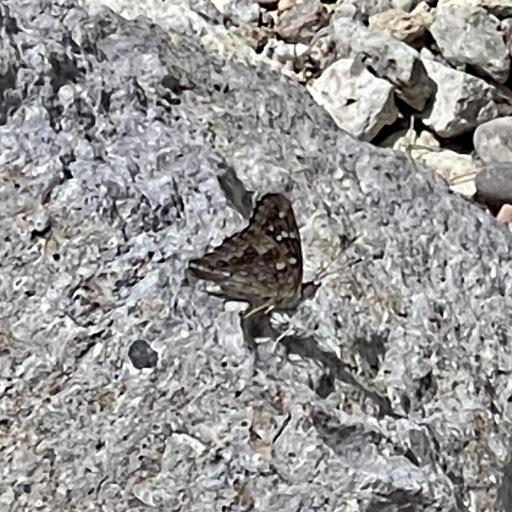
The Empress Leilia (Asterocampa leilia) is a desert-dwelling butterfly that carries an air of royal confidence. Unlike many of its delicate cousins, this "Empress" is a gritty survivor of the American Southwest, often found guarding its territory with surprising intensity. It is frequently mistaken for the Hackberry Emperor, but its unique wing patterns reveal its true desert identity.
🔍 How to Identify
- 🦋 Eye-Catching Ocelli: The most distinct feature is a row of small, dark "eyespots" (ocelli) on the hindwings, typically featuring 5 or 6 spots on the topside.
- 🎨 Tawny Palette: The wings are a rich, warm tawny orange or brownish-orange, accented with black markings and white spots near the forewing tips.
- 📐 Angular Wings: They have a stout, muscular body and slightly hooked forewings, which help them fly with incredible speed and agility.
🌵 Habitat & Ecology
- 🌳 The Hackberry Connection: These butterflies are "host-specific," meaning they rely almost entirely on the Desert Hackberry tree (Celtis pallida). Look for them darting around these thorny shrubs in washes and canyons.
- 🍎 A Unique Diet: While many butterflies seek out flower nectar, the Empress Leilia prefers "rougher" fare. You will often find them sipping on fermenting fruit, tree sap, or even minerals from damp soil and animal waste.
- ⚔️ Territorial Sentinels: Males are famously territorial. They will pick a favorite "perch" on a branch and aggressively fly out to investigate or chase away any intruders, including larger insects or even curious hikers!
⚠️ Safety & Toxicity
- 🛡️ Completely Harmless: The Empress Leilia is a "friend" to humans. It does not bite, sting, or possess any toxins that could harm you.
- 🐾 Pet & Child Friendly: They are safe to observe closely. Because they are curious and territorial, they may sometimes land on a person’s shoulder or hat to "inspect" them, providing a great photo opportunity.
✨ Fun Fact
Unlike most butterflies that flutter aimlessly, Empress Leilias are masters of camouflage. When they close their wings, the mottled grey and brown underside mimics a dead leaf or tree bark, making them nearly invisible to predators the moment they stop moving.
More Details








