Info
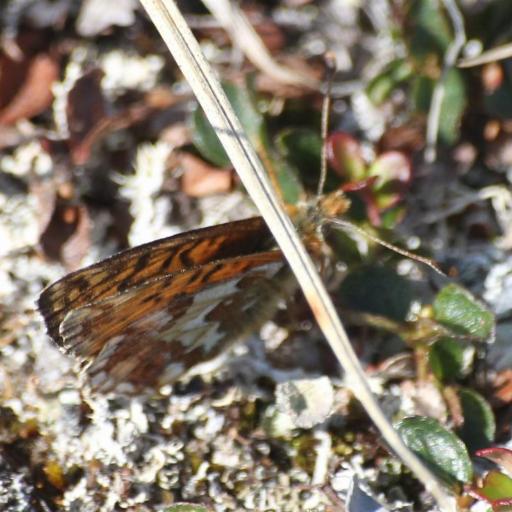
The Mountain Fritillary, often called the "Jewel of the Heights," is a resilient butterfly that calls the wind-swept alpine meadows of the Northern Hemisphere home. Found at altitudes where most insects struggle to survive, this species is a symbol of endurance and high-altitude beauty. In North America, it is often tucked away in the remote tundra of Alaska and the Yukon, making a sighting a true reward for any nature hiker.
🔍 How to Identify
- 🦋 Wing Patterns: The upper side features a classic "fritillary" look—a bright tawny orange decorated with a complex lattice of black spots, chevrons, and delicate lines.
- ✨ The Pearly Underside: To truly identify it, look at the bottom of the hindwing. It features a marbled mosaic of cinnamon, pale yellow, and distinct pearly or silvery spots that shimmer in the sun.
- 🧬 Female Variation: Unlike many butterflies, the females often display a stunning "suffusion," looking much darker than males with a subtle violet or greenish metallic sheen across their wings.
🌲 Habitat & Ecology
- 🏔️ Alpine Specialist: You won’t find this butterfly in your backyard unless you live on a mountain peak. They thrive in damp alpine tundra, boggy meadows, and rocky slopes above the treeline.
- 🌱 Slow Growth: Because the mountain summers are so short, the larvae (caterpillars) often take two full years to mature, hibernating through two freezing winters before finally emerging as butterflies.
- 🍽️ The Violet Diet: The caterpillars are picky eaters, primarily feeding on alpine violets and Bistorta vivipara (Alpine Bistort), while the adults spend their short lives zip-zagging between mountain wildflowers for nectar.
⚠️ Safety & Toxicity
- ✅ Harmless Friend: The Mountain Fritillary is completely harmless. It does not bite, sting, or carry any toxins that would affect humans or curious pets.
- 🌡️ Climate Sensitive: While it poses no threat to us, we are a threat to it; as mountain temperatures rise, its habitat shrinks. It is considered an "indicator species," helping scientists track the health of alpine ecosystems.
✨ Fun Fact
The Mountain Fritillary is a master of "shivering." Because the air at high altitudes is so thin and cold, these butterflies must rapidly vibrate their wing muscles to raise their body temperature high enough to take flight, acting like a tiny organic engine warming up.
More Details








