Info
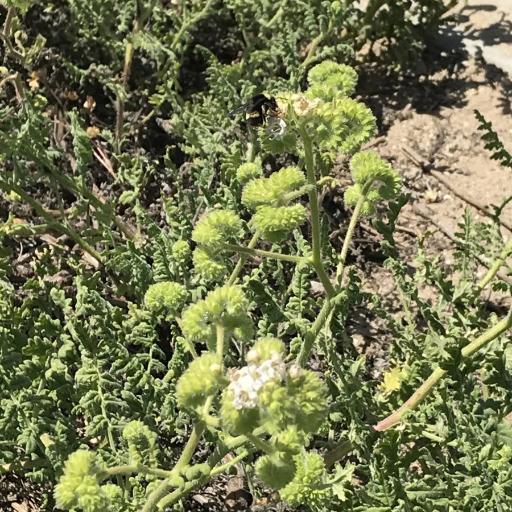
Often called the Crotch Bumble Bee, this fuzzy giant is a true California native. Named after the entomologist George Robert Crotch, this bee is a vital but increasingly rare sight in the scrublands and grasslands of the Pacific Coast. Seeing one is like finding a living piece of California’s natural heritage, as they are now considered an endangered treasure of the insect world.
🔍 How to Identify
- 🐝 The Golden Vest: The thorax (middle section) is covered in dense, square-shaped yellow hair with a distinct black band or patch right between the wing bases.
- 🎨 The Colorful Tail: While their midsection is black, the tail end of the abdomen often features a splash of orange or dull red, especially in queens, though this can fade to a pale yellow in older bees.
- 📏 Robust Build: These are notably large and "chunky" bees. Queens are especially impressive, often reaching nearly an inch in length with a loud, low-pitched hum.
🌲 Habitat & Ecology
- 🌸 Native Plant Lover: They are generalist foragers but have a special affinity for California’s native blooms like Milkweed, Lupines, and California Poppies. They are essential pollinators for maintaining these local ecosystems.
- 🕳️ Subterranean Suites: Unlike honeybees that build hanging hives, Crotch Bumble Bees are ground-nesters. They often seek out abandoned rodent burrows or cavities beneath thick grass to build their cozy, wax-pot nests.
⚠️ Safety & Toxicity
- 🛡️ Docile Nature: These bees are "gentle giants." They are not aggressive and will only sting as a last resort if they are stepped on or if their underground nest is directly disturbed.
- 🛑 A Protected Resident: Because they are an endangered species, the primary safety concern is for the bee! Avoid using pesticides in your garden and leave patches of "wild" dirt to help protect their nesting sites.
✨ Fun Fact
Despite being a "bumble" bee, these insects are capable of "buzz pollination." They vibrate their flight muscles at a specific frequency to dislodge pollen from flowers that other bees can't access—literally shaking the food out of the petals!
More Details








