Info
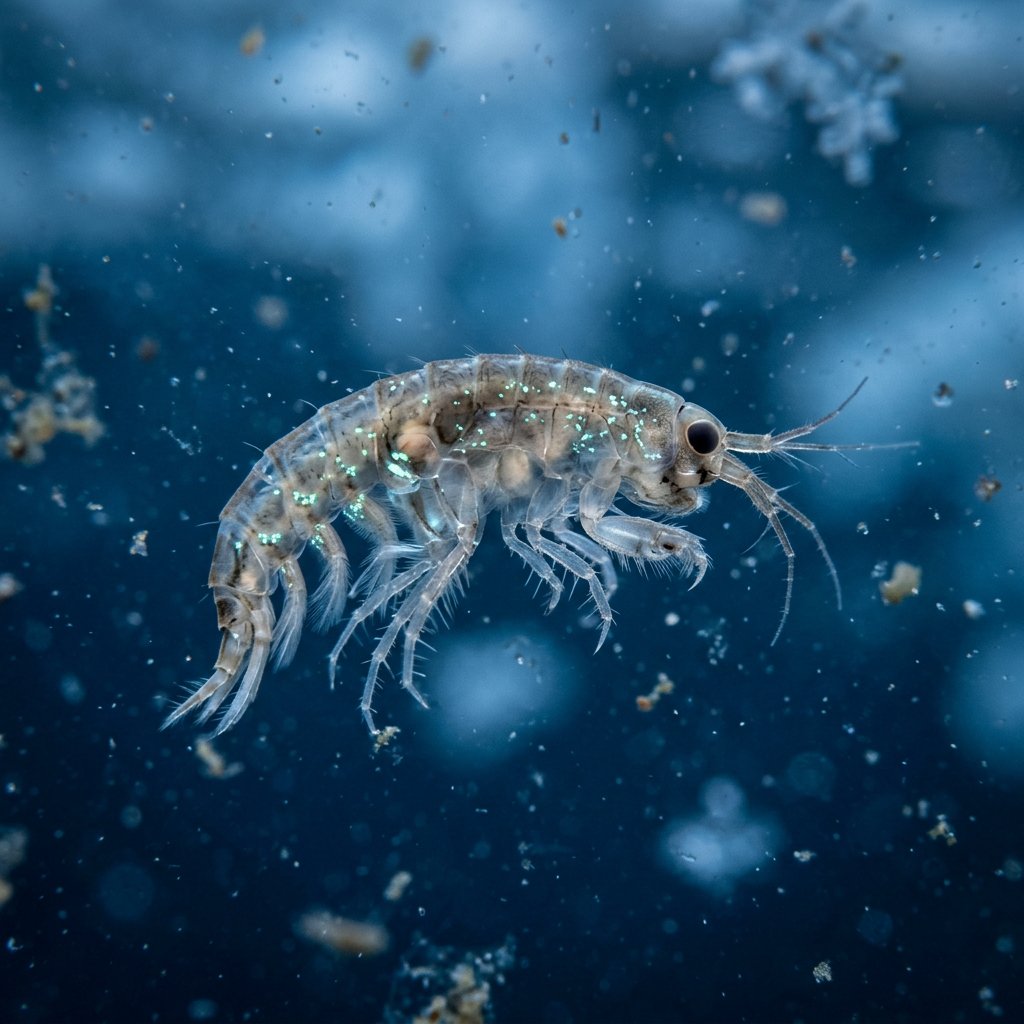
Commonly known as Blow Flies or Bottle Flies, members of the Calliphoridae family (often confused with the similarly named Calliopiidae crustaceans) are the shimmering cleanup crew of the natural world. While they are often dismissed as mere pests, these metallic insects are essential decomposers and surprisingly efficient pollinators. If you see a flash of "living jewelry" buzzing around your garden, you’ve likely found one of nature’s most misunderstood scavengers.
🔍 How to Identify
- 💎 Metallic Sheen: Their most striking feature is a brilliant, iridescent exoskeleton that glimmers in shades of emerald green, cobalt blue, or bright copper.
- 👁️ Large Red Eyes: They possess massive, reddish-brown compound eyes that take up most of their head, providing them with nearly 360-degree vision to escape predators.
- 🪰 Robust, Bristly Body: Unlike the slender common housefly, these are stout and covered in fine, stiff black hairs (bristles) that help them pick up pollen and scents.
🌲 Habitat & Ecology
- ♻️ Nature’s Recyclers: They are primarily scavengers, attracted to decaying organic matter. By laying eggs on dead material, their larvae (maggots) help break down waste, returning nutrients to the soil.
- 🌸 Unconventional Pollinators: You will frequently find adults on flowers. They are particularly attracted to blooms that emit strong, sometimes "meaty" odors, such as Pawpaw trees or Dead Horse Arum, acting as vital pollinators where bees might not venture.
⚠️ Safety & Toxicity
- 🧼 Pathogen Risk: While they do not bite or sting humans, they are considered "mechanical vectors." This means they can pick up bacteria from waste and transfer it to your food or surfaces.
- 🏠 Home Hygiene: It is best to keep them out of the kitchen. Their presence indoors in large numbers usually indicates a nearby food source or a gap in window screens.
✨ Fun Fact
These insects are "Nature's Detectives." Forensic entomologists use the life cycle of blow flies to determine the "Time of Death" in legal investigations, as they are often the first visitors to arrive on the scene—sometimes within minutes!
More Details








