Info
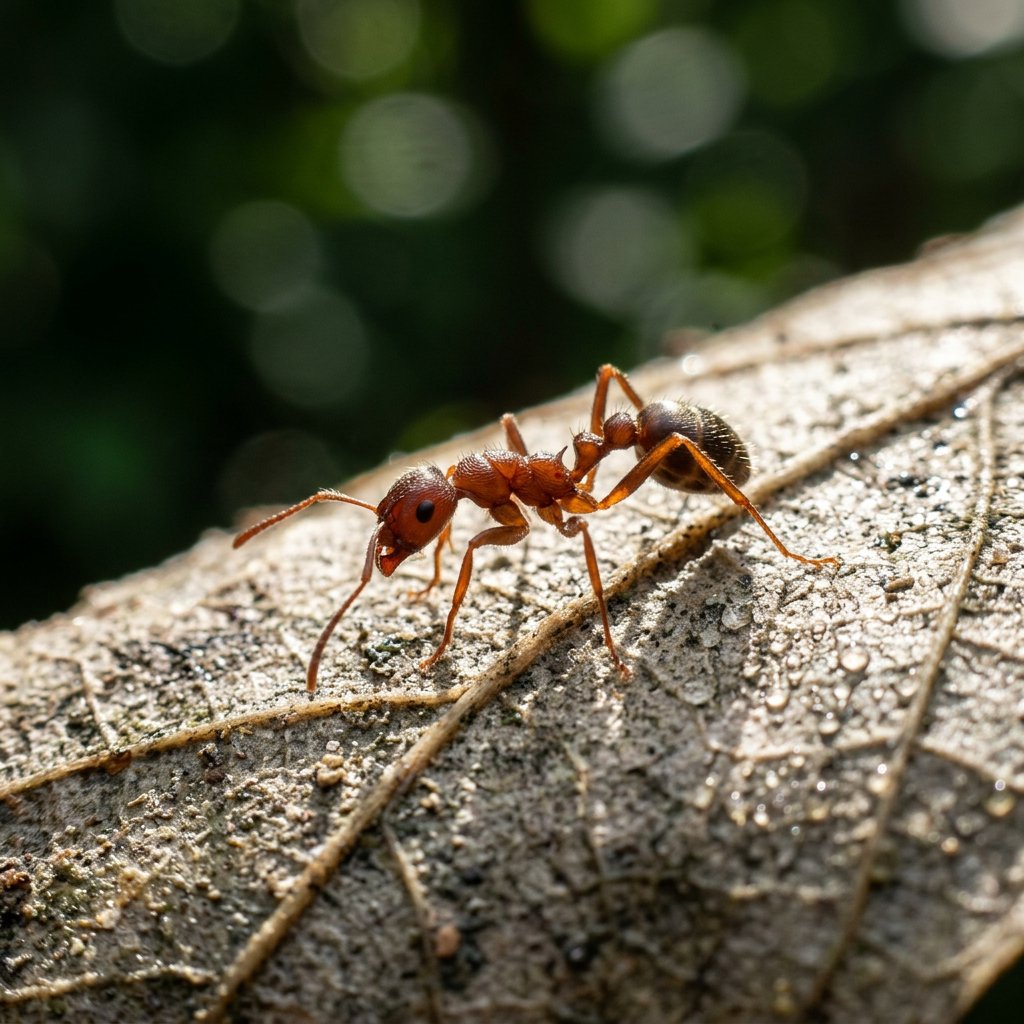
Often called Heart-Node Ants due to their unique anatomy, Cardiocondyla are the ultimate globe-trotters of the insect world. These tiny, unassuming ants have hitched rides in the soil of potted plants to colonize almost every corner of the planet, from tropical forests to city apartments. While they might look like your average household ant, their social lives are filled with Shakespearean-level drama and strange evolutionary twists.
🔍 How to Identify
- 💓 The Heart-Shaped Waist: Their most distinctive feature—and the reason for their name—is a wide, heart-shaped segment (the post-petiole) located between their thorax and abdomen.
- 📏 Micro-Sized: These are exceptionally small ants, usually measuring between 1.5mm and 3mm. To the naked eye, they often look like tiny, slow-moving dark specks.
- 🎨 Subtle Textures: Most species are a matte reddish-brown or dark black. Unlike the shiny "Sugar Ants" you might see in a kitchen, these ants have a dull, slightly granular body surface.
🌲 Habitat & Ecology
- 🪴 The Potted Plant Traveler: You are most likely to encounter them nesting in the dry soil of indoor plants, under patio stones, or in leaf litter. They prefer stable, warm environments and don't require large amounts of space to thrive.
- 🤺 The Battle of the Brothers: In many Cardiocondyla colonies, wingless "ergatoid" males are born. These males spend their entire lives inside the nest, engaging in lethal "wrestling matches" with their brothers to ensure they are the only ones left to mate with the new queens.
- 🐜 Quiet Scavengers: They aren't aggressive household pests. Instead, they act as tiny cleanup crews, scavenging for dead insects, nectar droplets, and small crumbs.
⚠️ Safety & Toxicity
- 🛡️ Status: Completely harmless to humans and pets.
- 🚫 Low Physical Impact: While they technically possess a tiny stinger (a trait of their subfamily), they are far too small to pierce human skin. They do not bite, and they are not known to cause any structural damage to homes.
- 🐾 Non-Toxic: If a curious pet happens to sniff or lick one, there is no risk of venom or chemical irritation.
✨ Fun Fact
Some Cardiocondyla species produce two completely different types of males: "Fighters" (wingless males that kill their brothers) and "Flyers" (winged males that look like different species entirely). The "Flyers" use their wings to escape the colony before their murderous brothers can find them, choosing to find love in a new colony elsewhere!
More Details








