Info
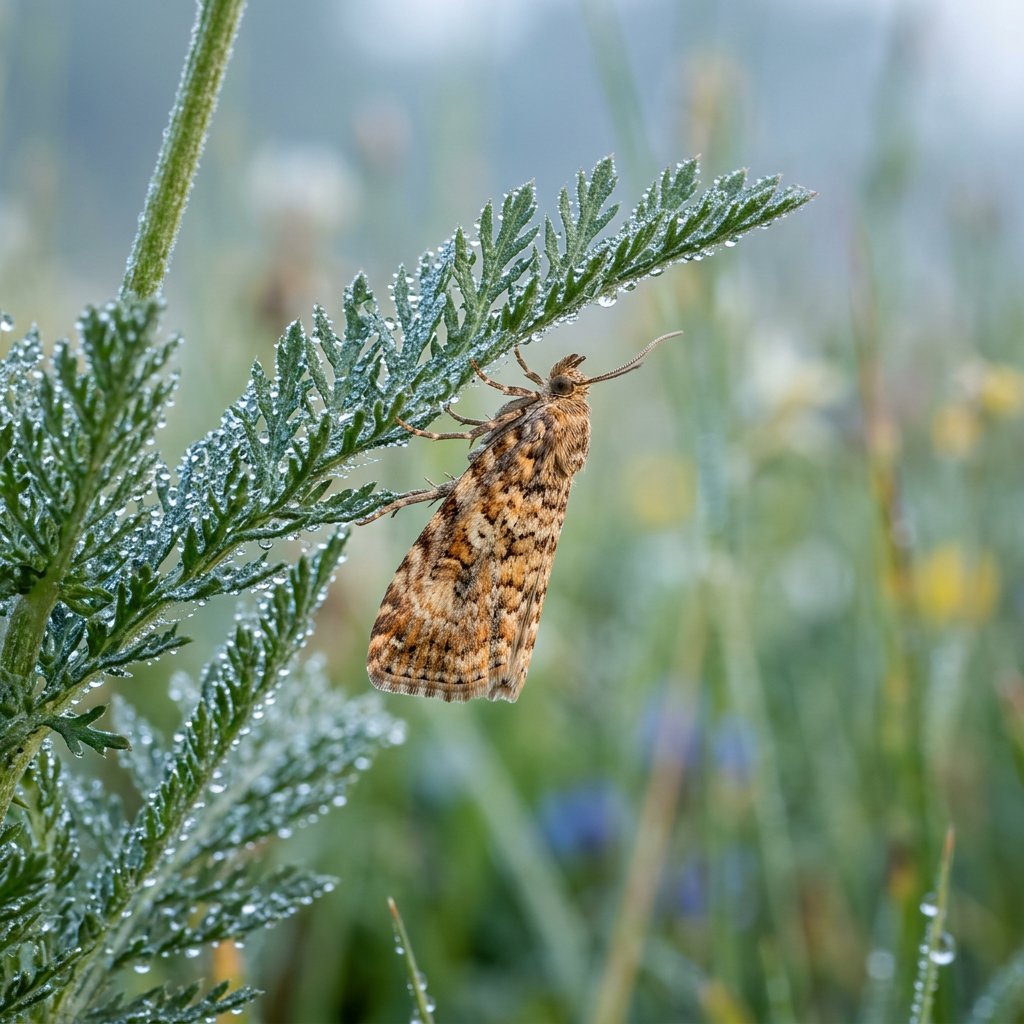
Often overlooked among the grass blades, the Tiny Tortrix (Celypha cespitana) is a master of camouflage. This small moth is a member of the "leafroller" family, known for the clever way their caterpillars hide from predators. While it lacks bright, flashy colors, its intricate, tapestry-like patterns are a marvel of natural design for those who take the time to look closely.
🔍 How to Identify
- 🦋 The Wings: Features a complex, marbled pattern of chocolate brown, tan, and creamy white. The markings are often arranged in irregular bands that break up its silhouette.
- 🔔 Resting Posture: When at rest, it holds its wings in a distinctive "bell shape," which is a signature trait of the Tortricidae family.
- 📏 Size: It is quite petite, with a wingspan typically ranging from 12 to 19 millimeters—roughly the width of a fingernail.
🌲 Habitat & Ecology
- 🌾 Home Ground: You’ll most likely find them in dry grasslands, heaths, and meadows. They prefer open, sunny areas where their favorite host plants grow in abundance.
- 🍴 Generalist Eater: The larvae are not picky; they feed on various low-growing plants, including Wild Thyme, Clover, and even some species of grasses.
- 🕒 Active Hours: While technically a moth, they are easily disturbed during the day and can be seen fluttering short distances through the grass before diving back into cover.
⚠️ Safety & Toxicity
- ✅ Status: This insect is completely harmless to humans, gardens, and pets.
- 🚫 No Threat: They do not possess a stinger, they do not bite, and they are not known to carry any diseases.
- 🦋 Fragile Nature: Like most moths, their wings are covered in tiny, dust-like scales. Touching them can damage these scales and hinder their ability to fly and regulate temperature.
✨ Fun Fact
The Celypha cespitana belongs to the "Leafroller" family because the caterpillars are architectural geniuses; they use silk threads to roll or tie leaves together, creating a snug, silk-lined tube where they can eat and sleep in total safety!
More Details








