Info
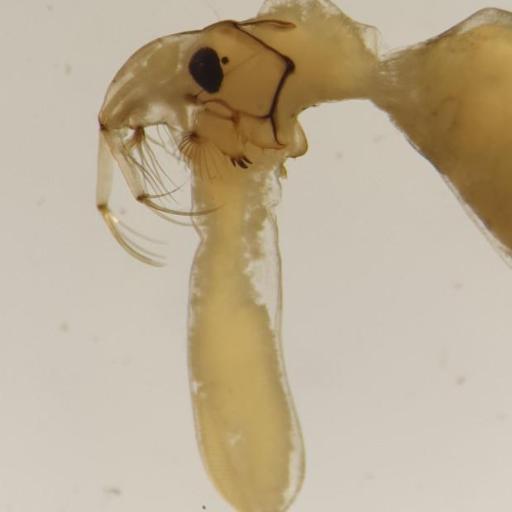
Often called the Phantom Midge or Ghost Midge, these delicate insects are the ultimate masters of disguise. While they look strikingly similar to mosquitoes, they are actually harmless neighbors that spend most of their lives as "Glassworms"—nearly invisible, transparent larvae haunting the depths of ponds and lakes. In the insect world, they are the silent, shimmering ghosts of the water's edge.
🔍 How to Identify
- 🦟 The "No-Bite" Look: Adults have slender bodies and long, delicate legs just like mosquitoes, but they lack the long, needle-like proboscis used for biting.
- 🪶 Feathery Antennae: Males possess large, bushy, plumose antennae that look like tiny feathers, which they use to "hear" the wings of potential mates.
- 💎 Transparent Larvae: If you spot them in water, the larvae are almost entirely see-through, except for two pairs of dark, kidney-shaped air sacs used for flotation.
🌲 Habitat & Ecology
- 💧 Lakeside Living: You’ll mostly encounter these midges near standing water. They are a sign of a healthy aquatic ecosystem, as they serve as a primary food source for fish and dragonflies.
- 🏹 The Predator Beneath: In their larval stage, they are "sit-and-wait" predators. They use their specialized antennae like grasping hands to snatch up tiny water fleas and even real mosquito larvae.
- 🌓 Nightly Commuters: They are famous for "diel vertical migration." They stay in the dark, oxygen-poor mud during the day to hide from fish and swim to the surface at night to feast under the cover of darkness.
⚠️ Safety & Toxicity
- ✅ Harmless Guest: The Phantom Midge is a "friend." They do not bite, they do not spread disease, and they do not possess any stingers or venom.
- 🌿 Garden Neutral: They won't harm your plants or your pets. Their presence usually indicates that your local environment is supporting a diverse range of aquatic life.
✨ Fun Fact
The air sacs inside a Phantom Midge larva work exactly like a submarine's ballast tanks. By adjusting the gas levels in these sacs, the insect can stay perfectly suspended at any depth without swimming, allowing it to "float" motionless like a ghost.
More Details








