Info
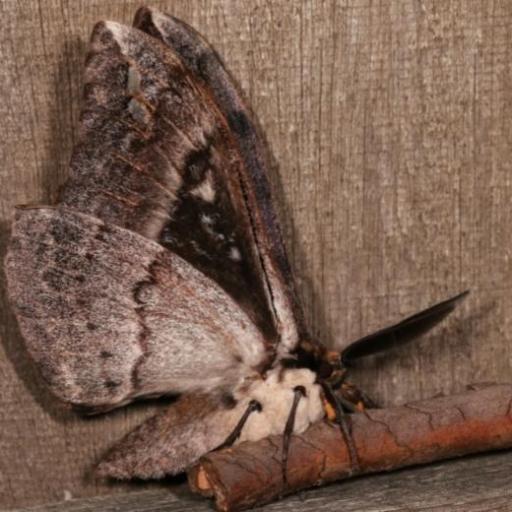
Often mistaken for a small bird or a bat in the twilight hours, the White-stemmed Wattle Moth (Chelepteryx collesi) is one of Australia’s most impressive giants. These nocturnal titans are gentle shadows of the night, known for their incredible wingspan and intricate, bark-like patterns. While the adults are harmless beauties, their "teenage" caterpillar stage is a master of defense that commands a healthy distance.
🔍 How to Identify
- 🦋 Colossal Wings: They possess a massive wingspan that can reach up to 16 centimeters, featuring cryptic shades of grey, brown, and charcoal that mimic tree bark.
- 👁️ Windowed Spots: Look for two distinct, slightly translucent "eye" spots or pale patches on the forewings that help break up their silhouette against predators.
- 🐛 The "Stinger" Larva: The caterpillar is unmistakable—growing up to 12cm long, it is covered in dense, dark tufts of stiff, golden-brown bristles that look like a walking bottle-brush.
- 🧶 Tough Cocoons: Their cocoons are large, silken oval structures often found fused to the bark of Eucalyptus trees, reinforced with the caterpillar’s own defensive hairs.
🌲 Habitat & Ecology
- 🍃 Wattle & Gum Lovers: These moths are primarily found in coastal and mountain forests across Eastern Australia. They rely heavily on Acacia (Wattle) and Eucalyptus species, which serve as the primary "nurseries" for their hungry larvae.
- 🌙 Night Owls: As adults, they are strictly nocturnal. They are frequently drawn to porch lights or street lamps, where they might sit motionless for hours, relying on their camouflage to remain "invisible" even in plain sight.
- 🕸️ Silk Engineers: The caterpillar spends months gorging on leaves before spinning a cocoon so tough it can be difficult to cut with ordinary scissors.
⚠️ Safety & Toxicity
- 👐 Adult Safety: The adult moths are completely harmless. they lack functional mouthparts and do not bite or sting; their only goal is to find a mate.
- 🚫 Caterpillar Warning: Do not touch the caterpillars or their cocoons. The bristles are "urticating" hairs, meaning they are hollow, brittle, and filled with irritants.
- 🩹 Skin Irritation: If touched, the hairs break off in the skin, causing severe itching, redness, and painful rashes that can last for days. Even old, empty cocoons remain "armed" and dangerous to the touch.
✨ Fun Fact
The Chelepteryx collesi caterpillar is so well-protected that very few animals dare to eat it. However, some clever birds have learned to "bash" the caterpillars against tree branches to knock off the stinging hairs before swallowing them!
More Details








