Info
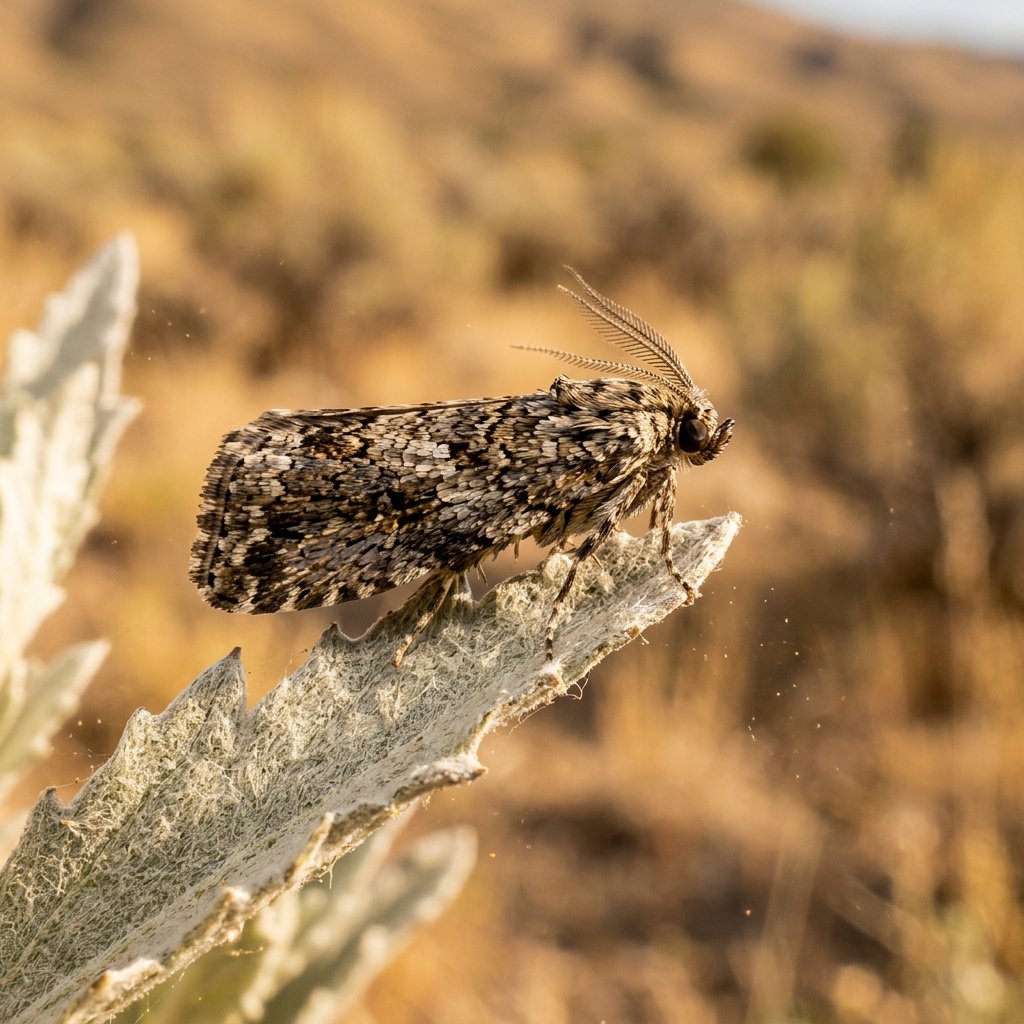
Known as a prominent genus within the "Twirler Moth" family, Chionodes contains hundreds of species that are master mimics of the natural world. These tiny, nocturnal aviators are the "secret agents" of the garden, often spending their days hiding in plain sight by blending perfectly into tree bark or dried leaves. While they lack the vibrant colors of butterflies, their intricate patterns and unique silhouettes make them a fascinating find for any micro-moth enthusiast.
🔍 How to Identify
- 🦋 Mottled Camouflage: Their narrow forewings are usually a sophisticated mosaic of charcoal, earthy browns, and silvers, designed to break up their outline against lichen or bark.
- 🏹 Upcurved "Horns": One of their most distinct features is their labial palps (mouthparts) which curve dramatically upward and backward over their heads, resembling tiny tusks.
- 🧶 Fringed Wings: When they spread their wings, the hindwings often reveal a delicate, hair-like fringe along the trailing edges, a common trait of the Gelechiidae family.
🌲 Habitat & Ecology
- 🍂 The Leaf-Tying Architects: As caterpillars, many Chionodes species are "leaf-tiers" or "leaf-rollers." They use silk to bind leaves together, creating a private, silk-lined apartment where they can feed safely away from the eyes of hungry birds.
- 🌙 Nocturnal Navigators: You are most likely to encounter the adults at night. Like many moths, they are highly attracted to artificial lights, but during the day, they remain perfectly still on tree trunks or wooden fences.
⚠️ Safety & Toxicity
- 🛡️ Completely Harmless: Chionodes moths are a "friend" to the gardener. They do not bite, sting, or possess any venom. They are entirely safe to handle if one happens to flutter into your home.
- 🐱 Pet & Child Safe: They are non-toxic to cats, dogs, and curious children. While the caterpillars eat foliage, they are rarely numerous enough to be considered a serious garden pest; they are simply a natural part of a healthy backyard food web.
✨ Fun Fact
The family name "Twirler Moth" comes from the caterpillars' dramatic escape tactic: when disturbed, they wiggle and spin so frantically that they often "twirl" right off their leaf to escape predators!
More Details








