Info
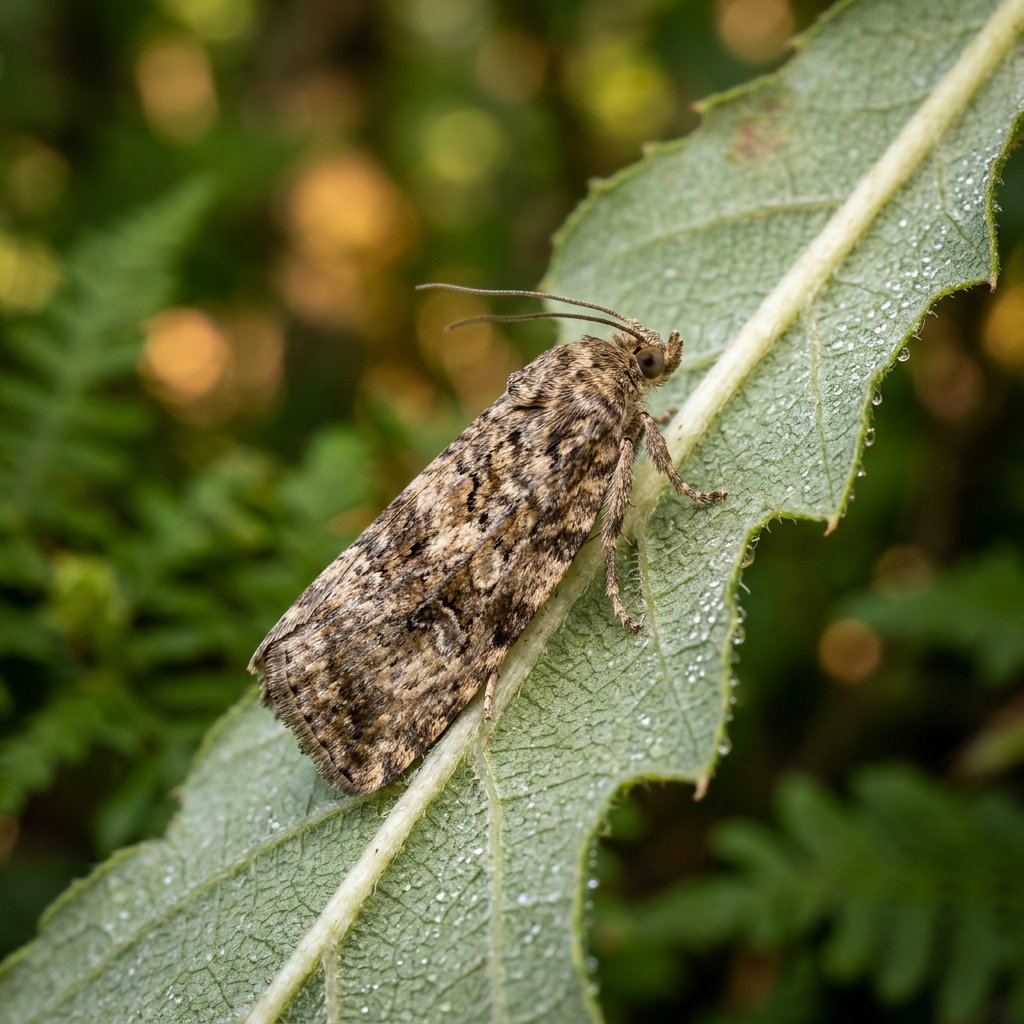
Known as the Great Tortrix, this moth is a master of disguise and a tiny architect of the forest canopy. While the adult moth looks remarkably like a weathered, fallen leaf when resting, its caterpillars are famous for their "origami" skills—rolling up living leaves into silk-spun tubes to create the ultimate hideout. It is a common, subtle inhabitant of European woodlands and mature gardens.
🔍 How to Identify
- 🔔 The "Bell" Shape: When at rest, the moth’s wings fold into a very distinct flat, bell-like or shield-shaped silhouette, a classic trait of the Tortricidae family.
- 🍂 Leaf Mimicry: The forewings are usually a pale ochre or tan color, decorated with darker brown bands and a fine, net-like pattern that helps them vanish against tree bark.
- 🐛 Larval Look: The caterpillars are quite dark—usually a deep olive green or smoky black—with a very shiny, polished black head that distinguishes them from other leaf-rolling species.
🌲 Habitat & Ecology
- 🍽️ A Generalist Eater: The Great Tortrix isn't a picky eater; its larvae enjoy a buffet of deciduous plants, including Oak, Hazel, Beech, and even fruit trees like Apple or Pear.
- 🏠 Silk Shelters: The caterpillars are "leafrollers." They use strong silk threads to pull the edges of a leaf together, creating a protected cigar-shaped tunnel where they can eat and pupate safely away from the eyes of hungry birds.
⚠️ Safety & Toxicity
- ✅ Harmless: This insect is completely safe for humans and curious pets. It does not bite, sting, or carry any known toxins.
- 🌿 Garden Impact: While they may cause some cosmetic "ragging" or holes in the leaves of garden shrubs, they rarely appear in high enough numbers to cause serious damage to the health of a tree.
✨ Fun Fact
When a Great Tortrix caterpillar feels threatened, it doesn't just hide; it performs a "bungee jump." It will quickly wiggle out of its leaf roll and drop toward the ground on a single, invisible silk thread, dangling in mid-air until the danger has passed!
More Details








