Info
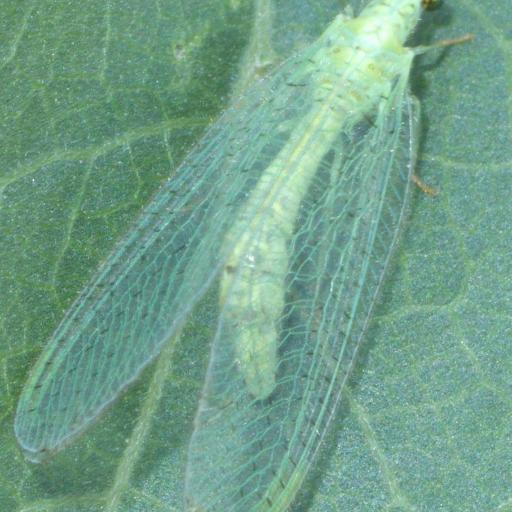
Often called the Golden-eyed Lacewing, Chrysopa oculata is the delicate fairy of the garden. With its gossamer, emerald-veined wings and shimmering metallic eyes, it looks more like a piece of living jewelry than a fierce predator. Gardeners cherish these insects as a natural alternative to chemical pesticides, often referring to their larvae as "Aphid Lions" for their voracious appetite for garden pests.
🔍 How to Identify
- ✨ The Eyes: Its most striking feature is a pair of large, compound eyes that shimmer with a brilliant metallic gold or copper luster.
- 🕸️ Lace Wings: Two pairs of translucent, pale green wings covered in an intricate network of fine, vein-like patterns that resemble delicate lace.
- 📏 Body Shape: A slender, soft, bright green body, usually measuring about half an inch in length, with long, thread-like antennae.
🌲 Habitat & Ecology
- 🛡️ Garden Guardian: These insects are high-tier beneficial predators. While the adults often feed on nectar and pollen, their larvae are "aphid-eating machines," consuming hundreds of pests like mites, whiteflies, and scale insects during their development.
- 🌙 Night Owl: You are most likely to encounter them at dusk or near porch lights. They are relatively weak fliers and spend most of their day hiding under the broad leaves of plants to stay cool and moist.
- 🥚 Suspended Animation: Look for their eggs on the underside of leaves; they are uniquely attached to the plant by long, thin silk stalks to keep the hatching larvae away from ground predators (and each other!).
⚠️ Safety & Toxicity
- ✅ Harmless: Golden-eyed Lacewings are completely non-toxic and do not possess a stinger. They are safe to have around children and pets.
- 🤏 Tiny Nips: While the adults are fragile and harmless, the "aphid lion" larvae can occasionally give a tiny, harmless pinch if they crawl on your skin. It is not venomous and usually causes no reaction.
✨ Fun Fact
To avoid being eaten by bats, Lacewings have evolved "ears" at the base of their wings. When they detect a bat's ultrasonic echolocation, they fold their wings and drop out of the sky in a dramatic free-fall to escape!
More Details








