Info
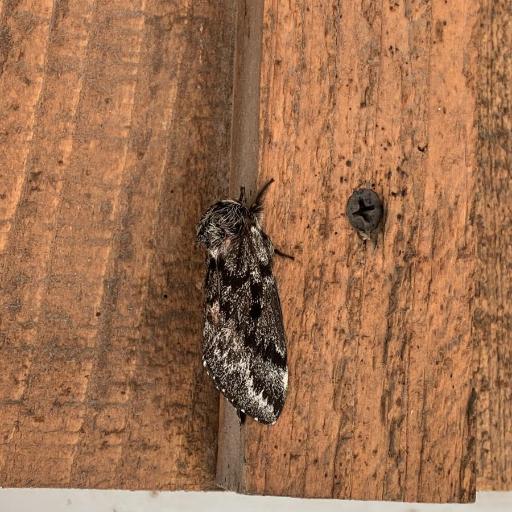
Known as the Sheep Moths or Pandora Pinemoths, these fuzzy inhabitants of the American West are masters of disguise. While they might look like a rugged piece of pine bark when resting, they hide a subtle splash of color beneath their forewings. They are members of the giant silkworm moth family, but they trade the delicate silk of their cousins for a "wooly" appearance that helps them survive the cooler temperatures of high-altitude forests.
🔍 How to Identify
- 🦋 Bark-Mimicking Forewings: The upper wings are mottled with shades of grey, charcoal, and brown, featuring jagged lines that blend perfectly with coniferous tree trunks.
- 🎨 Flashy Hindwings: When startled, they reveal their hidden hindwings, which often feature translucent patches, pinkish hues, and a distinct black eyespot.
- 🧸 Wooly Texture: Their bodies and legs are covered in dense, hair-like scales, giving them a "shaggy" or sheep-like look that helps insulate them.
🌲 Habitat & Ecology
- 🌲 Pine Specialists: These moths are intrinsically linked to pine forests, particularly Ponderosa and Lodgepole pines. The larvae (caterpillars) feed on the needles, sometimes appearing in large "outbreak" cycles every few years.
- ⏳ A Long Wait: Unlike many insects that live fast, some species of Coloradia have a two-year life cycle. They spend a significant portion of their lives underground as pupae, waiting for the perfect season to emerge.
⚠️ Safety & Toxicity
- ✅ Gentle Giants: Adult Coloradia moths are completely harmless to humans. They lack functioning mouthparts and do not bite or sting; their only goal is to find a mate.
- 🐛 Caterpillar Hairs: While they are not considered "stinging caterpillars," the hairs of the larvae can be stiff and may cause mild skin irritation or a prickly sensation if handled roughly. It is best to observe the large caterpillars without touching.
✨ Fun Fact
The larvae of the Coloradia pandora were once a vital food source for the Paiute people of the Great Basin. Known as "Piagi," the caterpillars were harvested by hand, roasted in trenches of hot sand, and dried to be used in nutrient-dense stews!
More Details








