Info
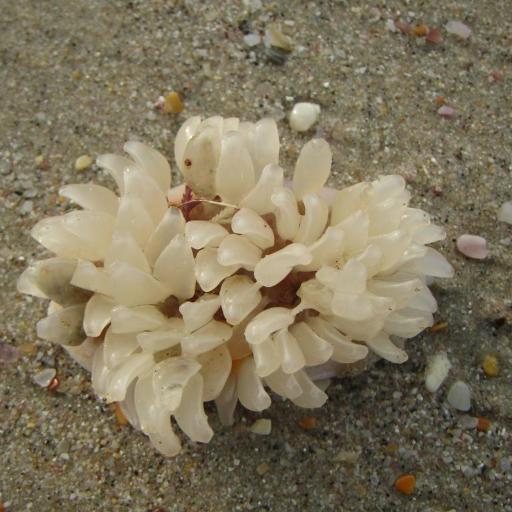
Known as the Speckled Whelk, this marine gastropod is a fascinating crawler often found by beachcombers and tide-pool explorers. While it isn't an insect, it occupies a vital "minibeast" niche in the ocean, acting as the primary scavenger and cleanup crew along the rocky coastlines of New Zealand.
🔍 How to Identify
- 🐚 The Shell: A robust, teardrop-shaped spiral shell that typically grows to about 6 centimeters. It feels heavy and solid to the touch.
- 🎨 Speckled Pattern: Its most defining feature is the "besprinkled" look—a pale yellow or greyish background covered in thousands of tiny dark brown or purple dots.
- 🚪 The Trapdoor: It possesses a dark, leathery operculum (a small lid) that it pulls shut like a front door to stay moist and safe when the tide goes out.
🌊 Habitat & Ecology
- 🦀 The Shoreline Hyena: These creatures are expert scavengers. They use a highly developed sense of "smell" to detect decaying fish or crushed crabs from a distance, moving surprisingly fast across the seabed to reach a meal.
- 🪨 Intertidal Specialist: You will most likely spot them in rocky crevices or buried just beneath the sand in tide pools. They are incredibly hardy, capable of surviving hours of exposure to the sun between high tides.
⚠️ Safety & Toxicity
- ✅ Harmless: The Speckled Whelk is completely non-toxic and possesses no stingers or venomous harpoons.
- 🐚 Physical Caution: The only risk is the sharpness of a broken shell. If you are exploring tide pools, be careful not to step on them with bare feet.
- 🐾 Pet Safety: While not poisonous, the thick shells can be a choking hazard or cause internal injury if swallowed by a curious dog at the beach.
✨ Fun Fact
✨ Unlike many solitary snails, the Speckled Whelk is a social diner! When one snail finds a food source, it releases a chemical signal that invites all the neighbors, often resulting in a "feeding carpet" of dozens of whelks covering a single snack.
More Details








