Info
Often called the "Architect of the Boxelder," this tiny fly turns leaves into its own private, climate-controlled nurseries. While their work might look like a strange botanical disease at first glance, it is actually a masterful manipulation of the tree's own biology. You will likely never see the adult fly, but its lumpy, green "galleries" on the foliage are unmistakable signatures of its presence.
🔍 How to Identify
- 🪰 The Adult Fly: Extremely small and delicate, these midges look like microscopic mosquitoes. However, they are rarely seen by the naked eye because they are only active for a very short window in early spring.
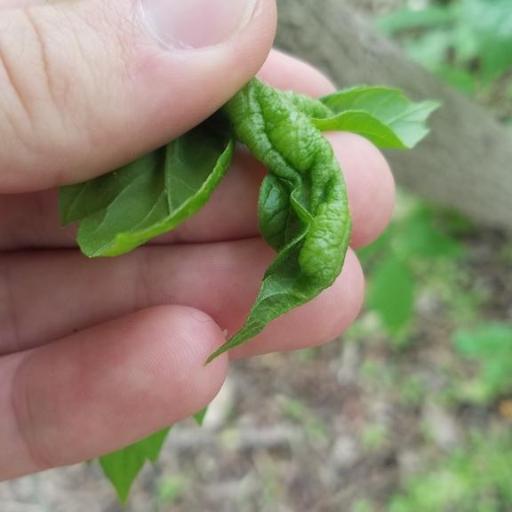
- 🍃 Leaf Swellings: Look for distinct, pouch-like galls (swellings) on the upper surface of the leaflets. These typically cluster along the midrib or the base of the leaf veins.
- 🎨 Color Transitions: The galls start as a healthy, succulent green that blends in with the leaf. As the larvae inside mature and the season progresses, these pouches often turn yellow, red, or a brittle brown.
🌲 Habitat & Ecology
- 🌳 Host Specificity: These midges are highly specialized "homebodies." They almost exclusively target the Boxelder tree (Acer negundo), making them a common sight in suburban yards, parks, and riparian zones where these trees thrive.
- 🏚️ The Nursery Effect: The female midge lays her eggs in the expanding leaf buds. As the larvae hatch and begin to feed, they secrete specific chemicals that trick the tree into growing protective "bubbles" of tissue around them, providing both a home and a food source.
⚠️ Safety & Toxicity
- 🛡️ Harmless Resident: The Boxelder Leaf Gall Midge is completely harmless to humans and pets. They do not bite, sting, or carry any diseases; they are purely interested in the chemistry of the leaves.
- 🌿 Tree Health: While a heavy infestation can make a tree look "messy" or aesthetically unpleasing, it is almost never fatal. The damage is purely cosmetic, and the tree will usually continue to grow and thrive despite its lumpy decorations.
✨ Fun Fact
The gall is essentially a "smart home." Inside that tiny bump, the larvae are shielded from the wind, rain, and many predators, while the tree's own sap provides a constant, high-nutrient buffet right at their fingertips!
More Details








