Info
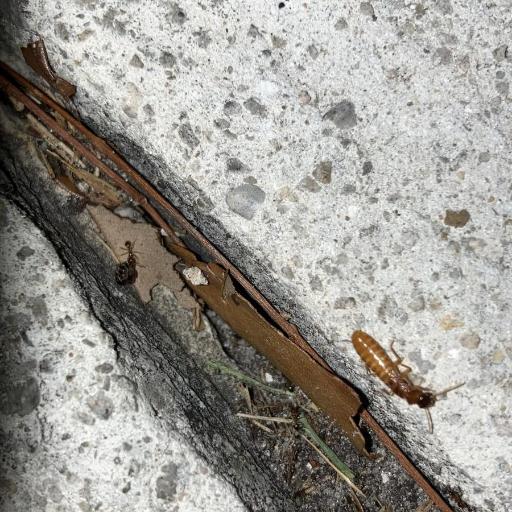
Known as the "Super Termite," Coptotermes formosanus is one of the most aggressive and destructive wood-eating insects on the planet. Originally from East Asia, these industrious insects have earned a reputation for being "silent destroyers," capable of consuming an entire wooden structural beam in just a few months. While they play a vital role in nature by recycling dead wood, they are a homeowner's most formidable foe.
🔍 How to Identify
- 🏰 The Soldier’s Shield: Soldiers have a distinct teardrop-shaped or oval head with a small pore called a "fontanelle" that secretes a sticky, milky defensive fluid when they are threatened.
- 🥛 Creamy Complexion: The workers—the ones doing the actual damage—are small, wingless, and have a soft, creamy-white body that looks somewhat like a translucent grain of rice.
- 🕊️ Hairy Wings: During "swarming" season (usually warm, humid evenings), the winged reproductives appear. You can distinguish them from other termites by their two pairs of translucent wings that are covered in a dense layer of very fine hairs.
🌲 Habitat & Ecology
- 🏗️ Master Architects: Unlike many other subterranean termites, the Formosan variety creates "carton nests" made of soil, chewed wood, and saliva. These nests can store water, allowing the colony to thrive inside walls or attics without needing to return to the soil for moisture.
- 🍽️ Voracious Appetites: They are generalist feeders. While they prefer damp wood, they are notorious for chewing through non-wood materials like plaster, plastic insulation, and even thin sheets of soft metal to reach a food source.
⚠️ Safety & Toxicity
- 🛡️ Low Physical Risk: These termites are not venomous and do not sting. While a soldier might give a tiny, harmless pinch if handled, they pose no direct health threat to humans or pets.
- 🏚️ Structural Danger: The "safety" concern here is entirely structural. Because their colonies are massive, they can cause significant damage to a building's integrity far faster than native termite species. If you see "mud tubes" on your foundation, it is time to call a professional.
✨ Fun Fact
A single mature colony of Formosan termites can contain over 10 million individuals and can forage for food across an area the size of an entire football field!
More Details








