Info
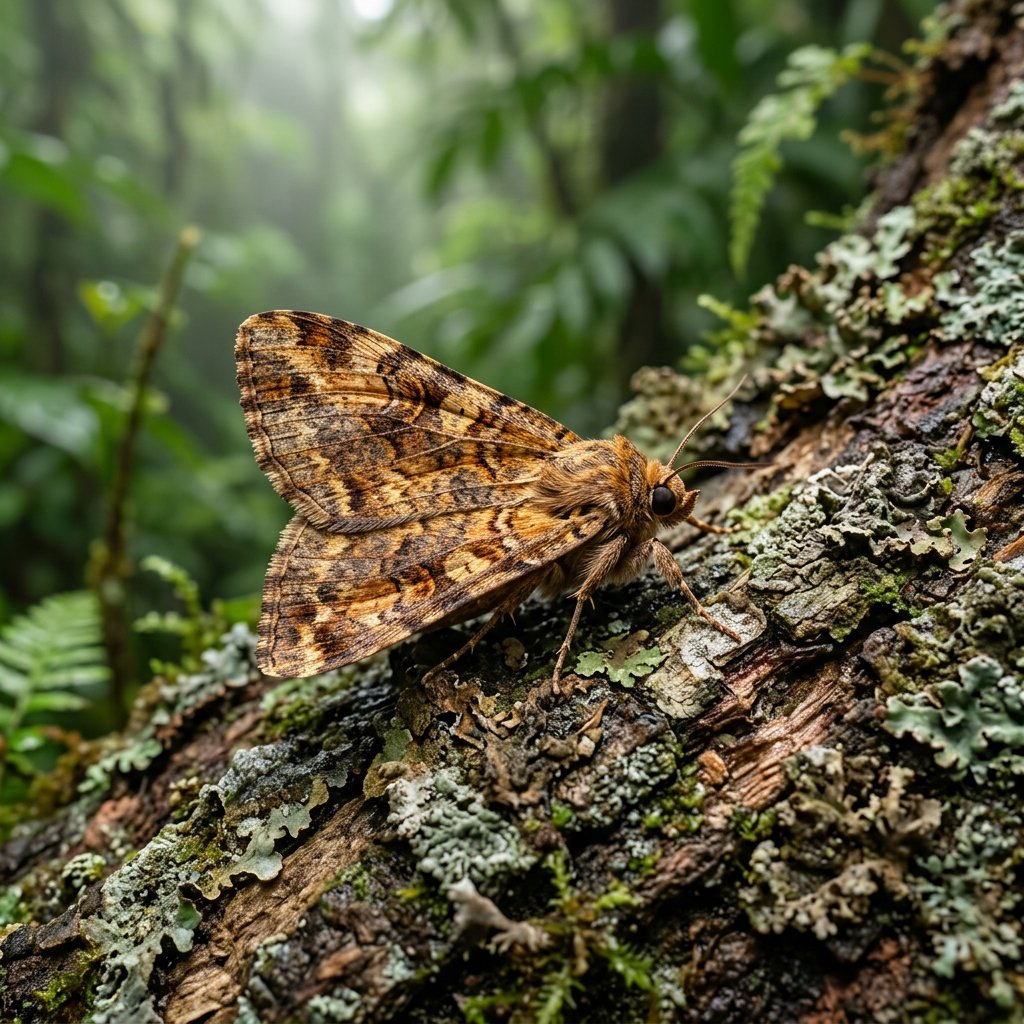
Often overlooked due to their small size and masterful camouflage, the Corgatha genus consists of delicate moths that blend seamlessly into the forest floor or tree bark. Often referred to as "Small Marbled" moths in some regions, these members of the Erebidae family are the ninjas of the insect world. While they aren't as flashy as large butterflies, their intricate wing patterns are a marvel of natural engineering.
🔍 How to Identify
- 🦋 Wing Shape: When at rest, they hold their wings in a flat, triangular "delta" shape that makes them look like a tiny fighter jet or a fallen leaf.
- 🎨 Cryptic Patterns: Their wings usually feature a "marbled" mix of earthy browns, creams, and greys, often with fine, wavy lines that mimic the texture of lichen or dried wood.
- 📏 Miniature Stature: Most species are quite small, with wingspans often measuring less than 20mm, making them easy to miss unless they are fluttering near a light source.
- 👃 Labial Palps: Like many of their cousins, they have small, upward-curving mouthparts that can look like a tiny "snout" if viewed from the side.
🌲 Habitat & Ecology
- 🌙 Night Owls: Corgatha moths are strictly nocturnal. They spend their days hiding in plain sight on tree trunks and become active at dusk, where they are frequently drawn to artificial porch lights.
- 🍄 Unusual Diet: While many caterpillars eat green leaves, some Corgatha larvae are known to feed on lichens, fungi, or even scale insects. This makes them unique "cleaners" in the ecosystem rather than typical garden pests.
- 🌏 Global Residents: They are most diverse in the tropical and subtropical regions of Asia and Australia, though species can be found in various woodland habitats worldwide.
⚠️ Safety & Toxicity
- ✅ Harmless: These moths are completely safe for humans and pets. They do not bite, sting, or carry diseases.
- 🌿 Gentle Guests: Unlike the "clothes moths" that eat wool, Corgatha species have no interest in your wardrobe or pantry. If one flies into your home, it is likely just confused by your lights and can be safely escorted outside in a jar.
✨ Fun Fact
While most caterpillars are vegetarians, some species in the Corgatha group are "accidental predators." They have been observed snacking on scale insects, which are common garden pests—making these tiny moths a secret ally for your plants!
More Details








