Info
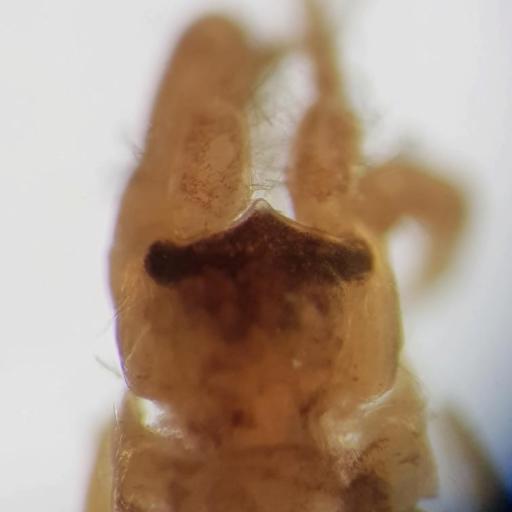
Known as the "Architects of the Mudflats," the Corophiidae are fascinating tiny creatures that bridge the gap between the land and the sea. While they are often mistaken for insects due to their segmented bodies and busy behavior, they are actually a family of amphipods—tiny, shrimp-like crustaceans. Often called "Scuds" or "Mud Shrimp," these master builders are famous for constructing elaborate underground neighborhoods in the silt of estuaries and coastal shorelines.
🔍 How to Identify
- 🦐 The Massive Antennae: Their most striking feature is the second pair of antennae, which are incredibly thick and long, often looking like extra legs or powerful pincers used for digging and defense.
- 🌙 C-Shaped Silhouette: Like most amphipods, their bodies are typically curved or hunched and compressed from side to side, giving them a shrimp-like appearance.
- 🏠 Silk-Lined Tubes: You will rarely see them out in the open; instead, look for tiny, U-shaped burrows in the mud lined with a "silk" the creature secretes from its legs.
🌊 Habitat & Ecology
- 🌾 Coastal Engineers: These creatures live in the "intertidal zone"—the muddy areas revealed when the tide goes out. They are essential to the ecosystem because they turn over the soil and provide a massive food source for migrating shorebirds.
- 🍂 The Cleanup Crew: They are detritivores, meaning they spend their lives filtering tiny bits of organic matter and algae from the water using their feathery legs, keeping their environment clean.
⚠️ Safety & Toxicity
- 🛡️ Completely Harmless: Corophiidae are non-toxic and do not bite or sting humans. They are far more afraid of you than you are of them!
- 🐾 Pet Safety: If your dog happens to sniff around a mudflat and encounters these, there is no danger. However, they are sensitive indicators of water quality; their presence usually means the mud is relatively healthy and free of heavy pollutants.
✨ Fun Fact
Corophiidae are among the few crustaceans that produce "shrimp silk." They have specialized glands in their legs that spin a sticky, thread-like substance used to glue grains of sand and mud together to build their protective homes!
More Details








