Info
The Glover’s Bagworm is nature’s ultimate "tiny architect." Often mistaken for a stray bit of forest debris or a hanging dried leaf, this clever insect spends its entire youth living inside a custom-built, mobile home made of silk and plant fragments. Found frequently in the Southern United States, it is a fascinating example of camouflage and survival in the insect world.
🔍 How to Identify
- 👜 The Mobile Case: Look for a spindle-shaped "bag" (about 1 to 1.5 inches long) hanging from twigs or leaves. It is made of tough silk and covered in bits of bark, dried leaves, or citrus rinds.
- 🐛 The Caterpillar: The larva has a dark, mottled head and a segmented body that rarely leaves the protection of the bag. You may see the front end poking out to graze on leaves.
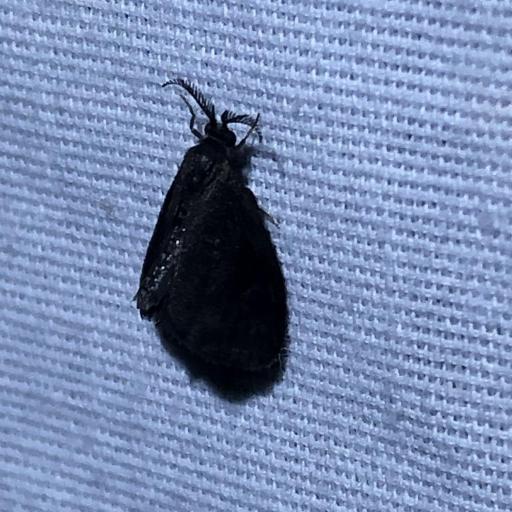
- 🦋 The Wingless Female: Adult females never look like "moths"; they remain grub-like and stay inside their bags. Only the males develop wings, becoming small, fuzzy, brownish moths with clear wing patches.
🌲 Habitat & Ecology
- 🍋 The Citrus Lover: This species is particularly fond of citrus trees, but it is a generalist that also enjoys oaks, rose bushes, and various ornamental shrubs.
- 🏗️ Growth Habit: As the caterpillar grows, it continuously expands its bag from the inside. It drags its heavy home wherever it goes, much like a snail, retracting instantly if it feels a vibration from a potential predator.
⚠️ Safety & Toxicity
- ✅ Harmless to Humans: Glover’s Bagworms do not bite, sting, or possess any venom. They are safe to handle and pose no threat to curious children or pets.
- 🍂 Garden Impact: While they are "pests," they rarely cause enough damage to kill a healthy tree. However, a large infestation can cause patchy defoliation. If they become a nuisance, they can be easily picked off by hand and relocated.
✨ Fun Fact
The female Glover’s Bagworm is so committed to her "tiny house" lifestyle that she never develops wings, legs, or even eyes as an adult. She spends her entire life inside the silk bag she built as a caterpillar, eventually laying her eggs there before her life cycle ends.
More Details








