Info
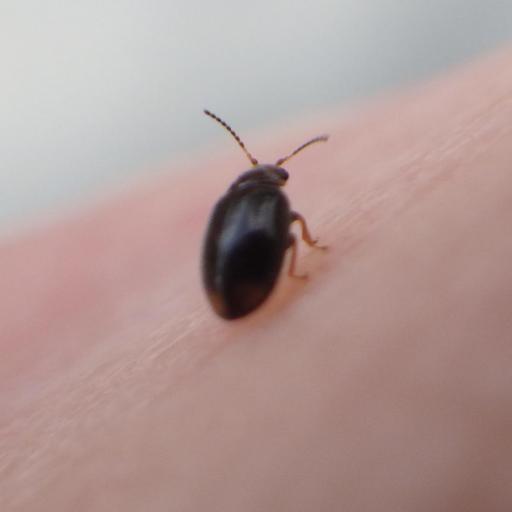
Often called the Marsh Beetle, Cyphon padi is a tiny, understated frequent flyer of the wetlands. If you spot one in your garden, it’s usually because you have a pond, a damp corner, or a nearby stream. They are gentle "environmental recyclers" that play a quiet but vital role in the decomposition cycle, making them a welcome friend in any natural landscape.
🔍 How to Identify
- 🪲 Size & Shape: Very small (usually 2–4mm), with an elongated, oval body that looks slightly flattened compared to the rounder ladybug.
- 🧥 Textured Coat: The wing covers (elytra) are covered in fine, silky yellowish hairs, giving them a slightly matte or "fuzzy" appearance when viewed up close.
- 🎨 Color Palette: Typically a tawny brown or yellowish-tan, though color can vary. Some individuals may appear much darker, almost charcoal-colored, depending on their specific habitat.
🌲 Habitat & Ecology
- 💧 Water Connections: These beetles are highly dependent on moisture. You’ll most likely find adults resting on reeds, sedges, or the undersides of lush leaves near standing water or boggy soil.
- 🧹 Nature's Janitors: While the adults are often found sunning on vegetation, the larvae live in the "muck." They feed on decaying organic matter in wet soil or shallow water, effectively cleaning up leaf litter and preventing stagnant buildup.
- 🧗 Agile Climbers: Despite their small size, they are excellent climbers and can often be seen navigating the complex "forests" of tall grass stems near garden ponds.
⚠️ Safety & Toxicity
- 🛡️ Status: Completely harmless to humans, pets, and garden plants.
- 🚫 Gentle Nature: They do not bite, sting, or produce any chemical irritants. Unlike some beetles that munch on your prized roses, the Marsh Beetle is a neutral guest that focuses its energy on decomposition rather than destruction.
✨ Fun Fact
Marsh beetle larvae are unique among beetles because they possess unusually long, multi-segmented antennae. These "underwater sensors" help them navigate and find food in the murky, dark environments of pond beds where they spend their youth!
More Details








