Info
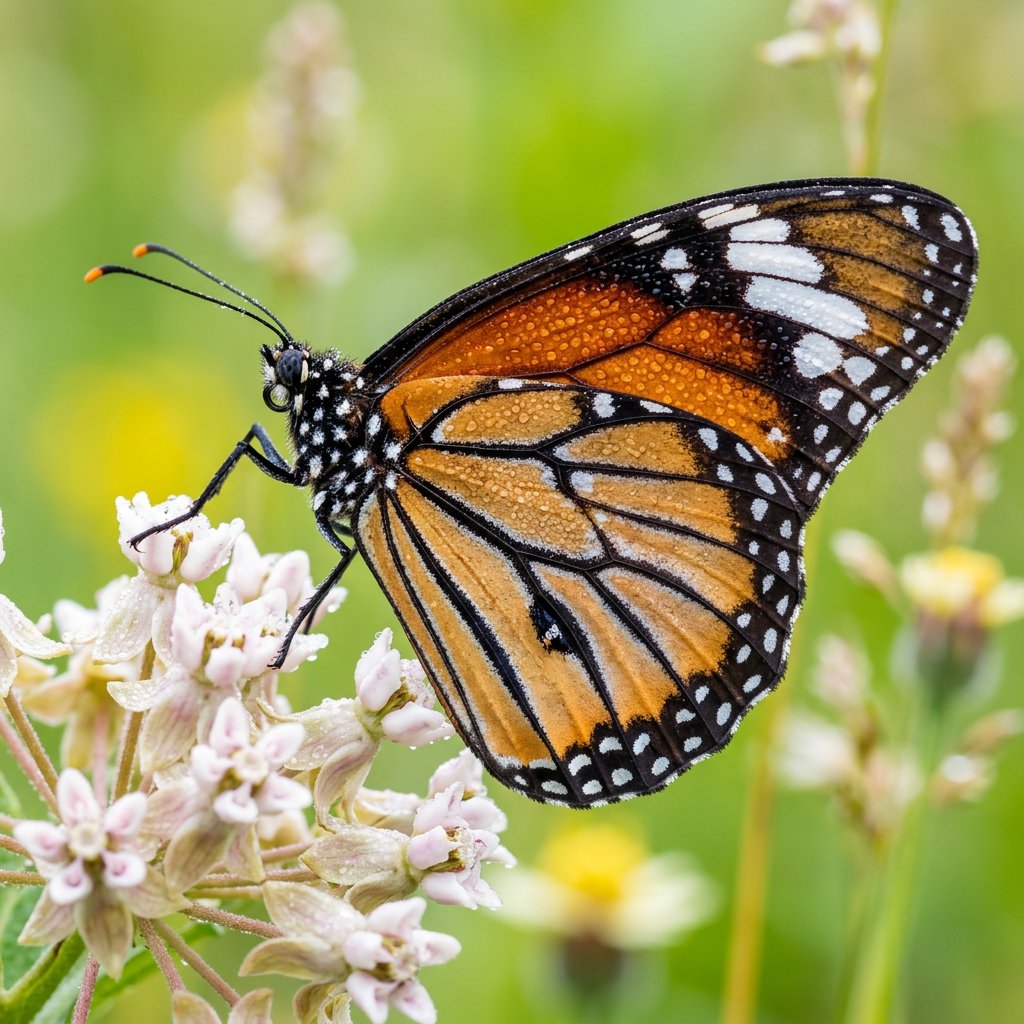
Known widely as the Common Tiger or Striped Tiger, Danaus genutia is one of the most recognizable butterflies across South and Southeast Asia. With its striking orange and black patterns, it is often mistaken for its famous cousin, the Monarch. This "friendly" insect is a slow, leisurely flyer, confident in its beauty because it carries a secret chemical defense that keeps most predators at bay.
🔍 How to Identify
- 🦋 The Wings: Features a vibrant orange background heavily marked with thick, black veins that look like hand-drawn ink lines.
- ⚪ White Accents: Look at the black edges of the wings; they are adorned with two rows of small, bright white spots, along with a few larger white patches near the tips of the forewings.
- ⚫ The Body: The head and thorax are jet black and covered in distinct white dots, a classic "warning" pattern found in many toxic butterflies.
🌲 Habitat & Ecology
- 🌼 The Pollinator's Role: You will frequently find them in gardens, open fields, and scrublands, hovering over nectar-rich flowers like Lantana or Cosmos. They are vital pollinators for many tropical wildflowers.
- 🌿 Milkweed Connection: Like other members of the "Milkweed butterfly" family, their caterpillars feed almost exclusively on plants in the Asclepiadaceae family. These plants contain milky sap that makes the caterpillar (and later the butterfly) taste terrible to birds.
- 🌏 Wide Range: They are incredibly hardy and can be found from the humid jungles of India and Thailand all the way to the coastal regions of Australia.
⚠️ Safety & Toxicity
- 🟢 Human Safety: They are completely harmless to humans. They do not bite, sting, or carry diseases, and they are generally quite bold, often allowing observers to get quite close.
- 🚫 Pet Warning: While not dangerous to touch, these butterflies are chemically protected by "cardenolides" (heart poisons) sequestered from their food as caterpillars. If a curious dog or cat eats one, it may cause vomiting or lethargy, though it is rarely fatal.
✨ Fun Fact
The Common Tiger is a master of "Müllerian Mimicry." This means it shares a very similar appearance with other toxic butterfly species in its neighborhood. By looking alike, they all "share the cost" of teaching local birds that orange-and-black striped insects are off the menu!
More Details








