Info
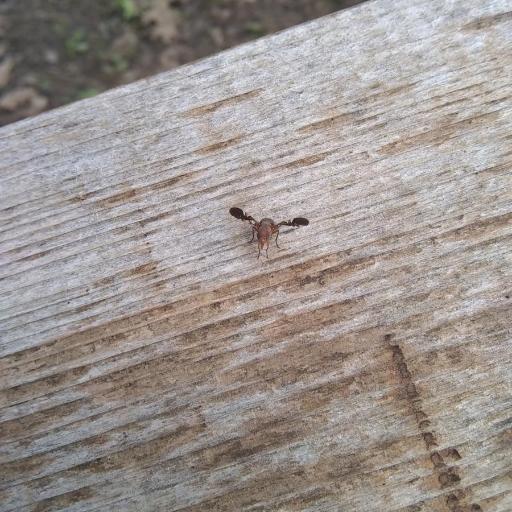
Known as the Picture-winged Fly, Delphinia picta is a tiny insect that looks like it flew through an artist's studio before landing in your garden. Often mistaken for a fruit fly or even a small bee, this little scavenger is famous for its "stained-glass" wings and its peculiar habit of "dancing" by waving its wings rhythmically while walking.
🔍 How to Identify
- 🎨 The Wings: The most striking feature; clear wings decorated with bold, dark brown or black "painted" patterns that resemble ink blots.
- 🌑 Body Color: A sleek, shiny dark brown to black body, typically measuring about 7mm in length with a slightly pointed abdomen.
- 👀 The Eyes: Large, prominent eyes that often shimmer with a reddish-brown or greenish hue, typical of many fly species.
🌲 Habitat & Ecology
- 🍂 Nature's Recycler: You’ll often find them near compost piles, fallen fruit, or decaying vegetation. The larvae are dedicated decomposers, helping turn old plant matter back into rich soil.
- 💃 The Wing Dance: If you see one on a leaf, watch closely. They frequently flick their wings in a rowing motion. This isn't just for show; it’s a complex communication method used to find mates or defend their tiny territories.
- 🪵 Common Hangouts: They are frequent visitors to suburban backyards, deciduous forests, and even the wooden posts of garden fences, where they sun themselves and look for nectar or tree sap.
⚠️ Safety & Toxicity
- ✅ Harmless Guest: Delphinia picta is completely harmless to humans and pets.
- 🚫 No Bite or Sting: Unlike deer flies or horse flies which they superficially resemble, these flies do not have the mouthparts to bite, nor do they carry a stinger. They are gentle observers of the garden.
✨ Fun Fact
Some entomologists believe the dark patterns on their wings are a form of "mimicry." When the fly waves its wings, the patterns can mimic the legs of a jumping spider, tricking actual predators into thinking the fly is a much more dangerous insect!
More Details








