Info
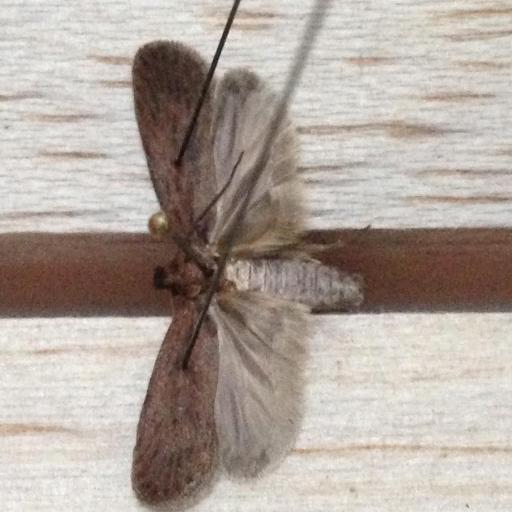
Often referred to as the Fritillary Flat-body, this small, unassuming moth is a master of disguise. Its scientific name, Depressaria, doesn't mean the moth is sad; rather, it refers to the remarkably "depressed" or flattened shape of its body. This physical adaptation allows it to squeeze into tiny crevices in tree bark or stone walls to hide from hungry birds during the day.
🔍 How to Identify
- 📏 Flat Profile: Unlike many moths that hold their wings in a tent shape, this species rests with its wings folded completely flat and overlapping across its back.
- 🎨 Clay-Toned Wings: The forewings are typically a dull clay-brown or grayish-ochre, often peppered with tiny, dark fuscous (brown-black) dots that look like a dusting of soot.
- 🧶 Silken Shelters: If you are looking for the larvae, you’ll find them tucked away in silken webs or folded leaves on the underside of their favorite host plants.
🌲 Habitat & Ecology
- 🍽️ Selective Diners: The caterpillars are quite picky, preferring to munch on plants in the carrot family (Apiaceae), such as Wild Parsnip, or the daisy family (Asteraceae), specifically Cat's-ear (Hypochaeris).
- 🌙 Night Owls: As adults, they are strictly nocturnal. While they are occasionally attracted to garden lights, they spend most of their time searching for mates and nectar among low-growing meadow plants.
- 🍂 Winter Survivors: Unusually for many small moths, the adults emerge in late summer and autumn, then find a cozy spot to hibernate (overwinter) as adults before laying eggs the following spring.
⚠️ Safety & Toxicity
- ✅ Harmless Guest: The Fritillary Flat-body is entirely safe. It does not bite, sting, or carry diseases, and it is not considered a significant agricultural pest.
- 🐾 Pet Friendly: There are no known toxins associated with this moth, so if your cat or dog happens to chase one in the garden, there is no cause for alarm.
✨ Fun Fact
The "Flat-body" moths are so thin that they can slide into gaps as narrow as a few millimeters. This "pancake" strategy is so effective at avoiding predators that the Depressaria genus contains over 100 different species that all use the same flat-packing trick!
More Details








