Info
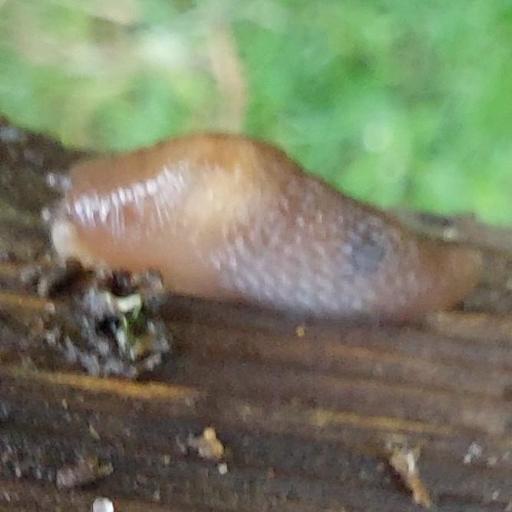
Meet the Tramp Slug, a world-class traveler that has hitchhiked its way from the Mediterranean to gardens across the globe. Known for being remarkably active and surprisingly "fast" for a gastropod, this slender mollusk is often considered a "foe" to gardeners due to its voracious appetite for tender seedlings. While it doesn't have a scary sting or bite, its ability to outcompete local species makes it a formidable little invader.
🔍 How to Identify
- 🎨 Mottled Body: Typically a dark charcoal, chocolate brown, or grey, often featuring subtle, darker speckles across its skin.
- 🧣 The "Long Neck": When in motion, it extends its neck much further than other common garden slugs, giving it a stretched-out, elegant appearance.
- 🐚 The Mantle: It features a saddle-shaped "mantle" on its back that covers about one-third of its body length, with a distinct breathing hole (pneumostome) located towards the rear of this section.
🌲 Habitat & Ecology
- 🏡 The Urban Explorer: Unlike many wild slugs, the Tramp Slug thrives in disturbed habitats like backyard gardens, nurseries, and greenhouses where humans provide plenty of moisture and food.
- 🤺 Aggressive Competitor: It is known to be more "aggressive" than other slugs, often waving its tail or moving quickly to drive away other species from a choice piece of lettuce or a fallen fruit.
- 🥗 Dietary Generalist: It isn't picky; it will happily munch on everything from decaying organic matter and fungi to your prized petunias and vegetable starts.
⚠️ Safety & Toxicity
- 🧼 Non-Toxic but Slimy: This slug is not venomous and does not bite. However, it produces a clear, sticky mucus that can be quite difficult to wash off your hands.
- 🐛 Parasite Potential: Like many terrestrial slugs, it can act as an intermediate host for parasites such as Rat Lungworm. It is essential to wash your hands after handling them and to thoroughly wash any garden vegetables before eating them.
- 🐶 Pet Safety: While the slug itself isn't toxic, if a pet eats a large number of slugs, they could be at risk for lungworm. Additionally, be cautious with "slug pellets," as traditional baits are highly toxic to dogs and cats.
✨ Fun Fact
The Tramp Slug is a true "escape artist." It is much more prone to climbing than other species and is frequently found high up on walls, fences, or even tucked into the drainage holes of hanging flower pots!
More Details








