Info
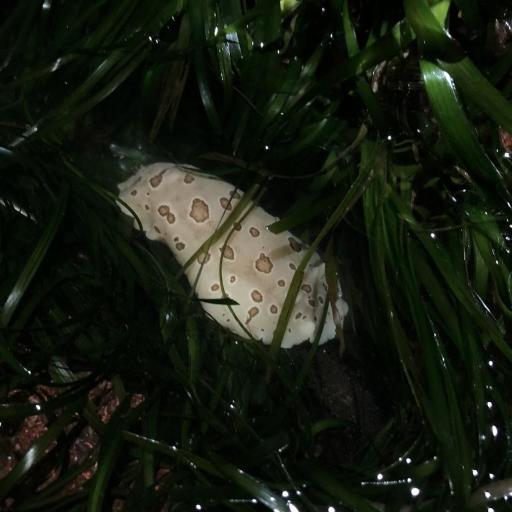
Often referred to as the Spotted Leopard Nudibranch or O’Donoghue’s Sea Lemon, this marine gastropod is a master of subtidal camouflage. While you might expect a "leopard" to be fast, this creature is a slow-moving grazer found clinging to rocks and sponges along the Pacific Coast. It is a favorite find for tide-poolers who have a keen eye for spotting its velvety, ring-patterned body tucked into crevices.
🔍 How to Identify
- 🐆 The "Leopard" Pattern: Its body is typically a pale cream, yellow, or tan, decorated with distinct dark brown or black rings and spots that resemble the coat of a leopard.
- 🪶 Branchial Plume: Near its tail end, you’ll see a visible circle of feathery gills. These "naked gills" (which is what Nudibranch means) are used to breathe underwater.
- 👂 Rhinophores: On its head, it sports two ear-like tentacles called rhinophores. These are sensory organs used to "smell" or "taste" chemicals in the water to find food.
- 🍄 Velvety Texture: The surface of its mantle is covered in tiny, rounded bumps (tubercles), giving it a soft, fuzzy appearance rather than a slimy one.
🌊 Habitat & Ecology
- 🧽 The Sponge Specialist: This nudibranch is a picky eater! It feeds almost exclusively on sponges (specifically the Halichondria genus). It uses a sandpaper-like tongue called a radula to scrape off bits of sponge.
- 🏡 Rocky Real Estate: You’ll find them in the intertidal and subtidal zones, usually from Alaska down to Baja California. They prefer rocky reefs where their prey is abundant and they can hide from the crashing surf.
- 🥚 Lace Ribbons: They lay their eggs in beautiful, white, spiral-shaped ribbons that look like delicate lace attached to rocks or kelp.
⚠️ Safety & Toxicity
- ✅ Harmless to Humans: These creatures are perfectly safe to observe. They do not sting or bite humans.
- 🚫 Chemical Defense: While safe for us, they are "toxic" to fish. They absorb chemicals from the sponges they eat and store them in their skin, making them taste incredibly bitter to any predator brave enough to try a bite.
- 🐚 Handle with Care: Never remove a nudibranch from the water. Their bodies are supported by water pressure; without it, their internal organs can be crushed, and they cannot breathe.
✨ Fun Fact
The Diaulula odonoghuei is a "hermaphrodite," meaning every individual has both male and female reproductive organs. When two nudibranchs meet, they can both fertilize each other, doubling the chances of a successful next generation!
More Details








