Info
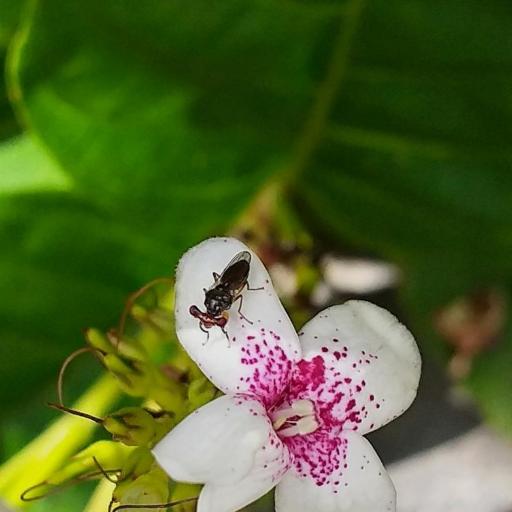
Meet the Stalk-eyed fly, a creature that looks like it flew straight out of a retro sci-fi movie. Belonging to the family Diopsidae, these insects are famous for their bizarre "sideways" vision, with eyes perched on the ends of long, thin masts. While they might look like tiny aliens, they are fascinating examples of how evolution uses strange shapes to help animals find mates and survive in the tropical undergrowth.
🔍 How to Identify
- 👁️ The Eyestalks: The most striking feature is the "peduncles"—long, rigid stalks extending from the sides of the head with the eyes sitting right at the tips.
- 📡 Antennae Placement: Unlike most insects, their antennae are actually located on the eye stalks themselves rather than on the center of the face.
- 🪰 Body and Wings: They generally have slender, elongated bodies and often feature darkened patterns or spots on their wings, which they flick to communicate.
🌲 Habitat & Ecology
- 💧 Humid Hideouts: These flies are usually found in the humid tropics of Africa and Southeast Asia, typically clinging to low-lying vegetation near streams or damp forest floors.
- 🍂 The Cleanup Crew: Most species are scavengers in their larval stage, feeding on decaying plant matter or fungi, though some are known to nibble on young cereal crops.
- ⚔️ Stalk Wars: The males use their wide eye-span as a weapon of intimidation. When two males meet, they stand face-to-face to "measure" their stalks; the one with the shorter reach usually retreats without a fight.
⚠️ Safety & Toxicity
- ✅ Harmless Observer: Stalk-eyed flies are completely harmless to humans. They do not bite, sting, or carry diseases that affect people.
- 🛡️ Non-Toxic: They are not known to be toxic to pets, though their small size and specific habitat mean your furry friends are unlikely to ever encounter one.
✨ Fun Fact
📏 Size Matters: In the world of Stalk-eyed flies, female flies prefer males with the widest eye spans. To get those long stalks, male larvae actually swallow air to "pump up" their head and push the eyes out while their exoskeleton is still soft and hardening!
More Details








